admin, Author at Revolution Pipe Relining
Estimate Calculator
Book Free Inspection

Why is Sewer Line Replacement So Expensive? The Shocking Truth Buried Under Your Feet

A few phrases strike fear into a homeowner’s heart quite like “you’ll need a sewer line replacement.” And it’s usually followed by something even scarier — a quote that seems eye-wateringly high. But why is sewer line replacement so expensive?

It turns out, it’s not just about the pipe itself. Underneath your lawn, driveway, or patio lie hidden challenges that most people never see — from local council red tape to specialist equipment and skilled labour. Let’s dig a little deeper (pun very much intended!) into what really drives those costs, and why that hidden stretch of pipe can end up being one of the priciest repairs you’ll ever face.


It’s More Than Just a Pipe: What You’re Really Paying For

You know, when people first see the sewer pipe replacement cost, the usual reaction is pure shock — like, “How can replacing one pipe possibly cost that much?” But here’s the thing: it’s never just about the pipe itself.

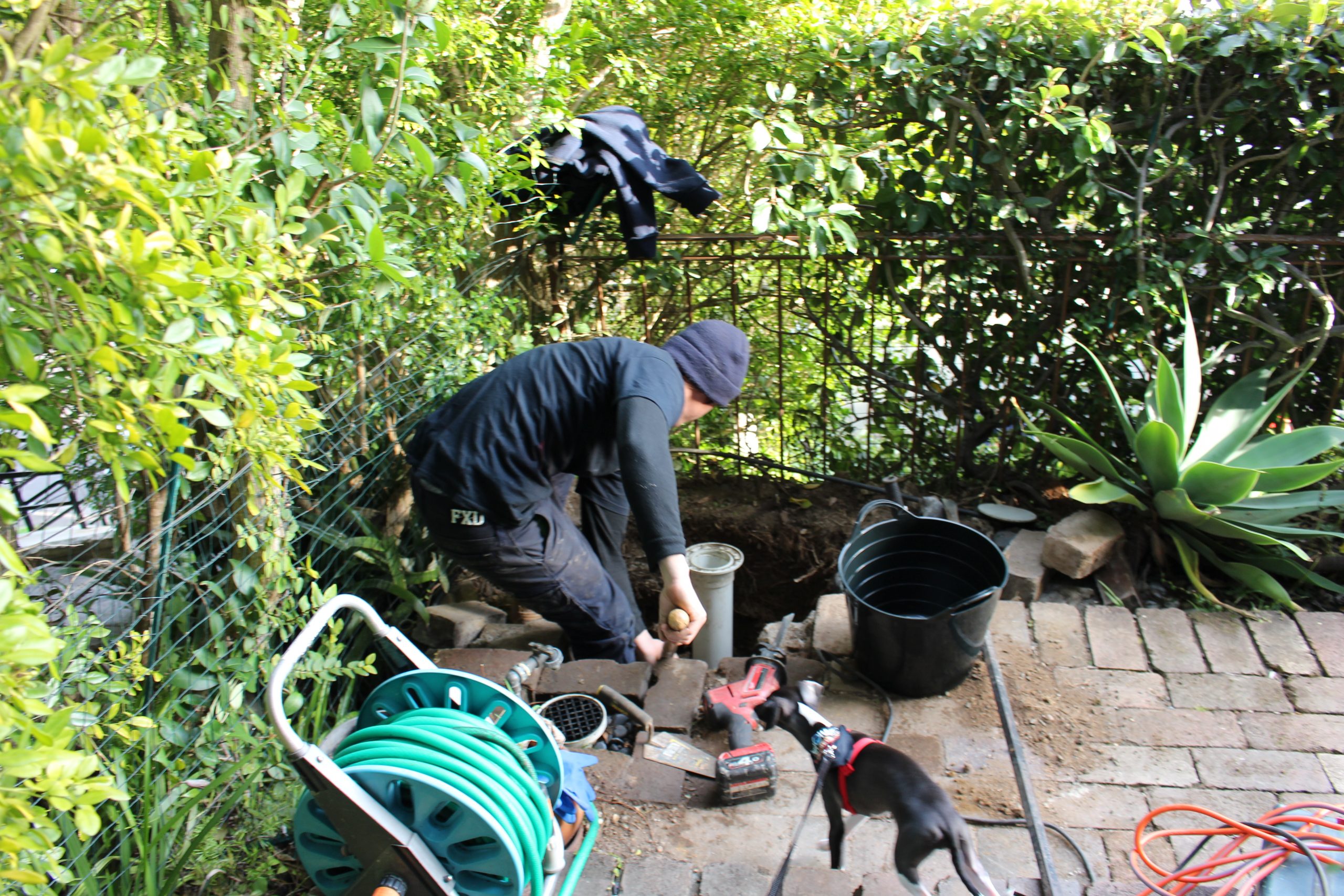
Think about what’s actually involved. You’ve got excavation crews digging under driveways, gardens, or even patios. Then there’s the disposal of the old pipe (which often isn’t as straightforward as chucking it in a skip), plus the cost to refill, compact the soil, and restore whatever was on top — whether that’s fresh concrete, new pavers, or your once-perfect lawn.

On top of that, the sewer pipe replacement cost also covers the expertise of licensed plumbers and sometimes even engineers, because you can’t risk a mistake on something as critical as the main sewer line. Factor in equipment hire, site safety measures, and unexpected surprises underground (think roots, rocks, or even other utilities you didn’t know were there), and suddenly that quote starts to make more sense.

It’s one of those things where the real cost is hidden in the work you don’t see — and unfortunately, it all adds up pretty quickly!


The Hidden Obstacles Beneath Your Garden and Driveway

When a plumber shows up to fix your sewer pipe, it’s rarely as simple as digging a hole and swapping it out. Under your garden, driveway, or patio could be a whole mess of hidden problems, like:

    • ▶️ Tree roots that act like little wrecking balls
      Roots love sewer pipes because of the moisture and nutrients inside. Once they break in, they keep growing, making repairs trickier and more expensive.


    • ▶️ Concrete driveways and paved patios
      These have to be cut, carefully removed, and later replaced — adding to both time and cost.


    • ▶️ Underground utilities you didn’t know existed
      Power, gas, water, and even old telecom cables can be buried right where the sewer pipe runs, meaning extra care (and sometimes special permits) to avoid disaster.


    • ▶️ Old or brittle pipes that crumble
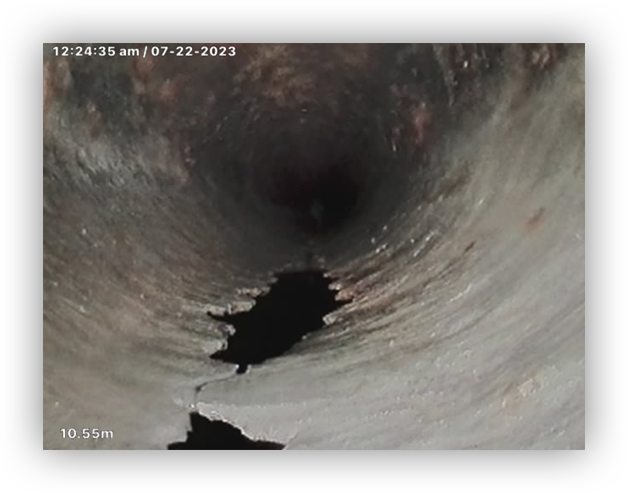
      Sometimes, the existing pipe is in such bad shape that it falls apart during digging, forcing a bigger and deeper excavation.


All of these hidden obstacles mean that fixing sewer pipe often turns into a complex project rather than a quick patch job — which explains why the price tag can catch homeowners off guard. It’s what lies under your feet that usually makes the real difference!

Permits, Inspections, and Council Red Tape

    1. One thing that surprises most homeowners? Even a straightforward sewer pipe repair often isn’t something you can just start overnight. Local councils and water authorities have strict rules in place to keep everything safe, legal, and up to modern standards. Here’s what usually happens:

      1. 1️⃣ Permit applications
        Before any digging begins, plumbers often need to lodge paperwork and secure approvals — a process that can take days or even weeks.

      2. 2️⃣ Mandatory inspections
        Councils or inspectors may need to check the site before, during, and after the work, each visit adding both time and inspection fees.

      3. 3️⃣ Compliance requirements
        Especially in older homes, repairs might trigger upgrades to current codes, like replacing outdated pipes or adding extra access points — all adding to the cost.

      All of this red tape means what sounds like a simple job turns into a drawn-out process full of paperwork, scheduling, and unexpected extras — and that’s why the final bill often ends up being higher than anyone expects.

Why Specialised Equipment and Skilled Labour Cost So Much

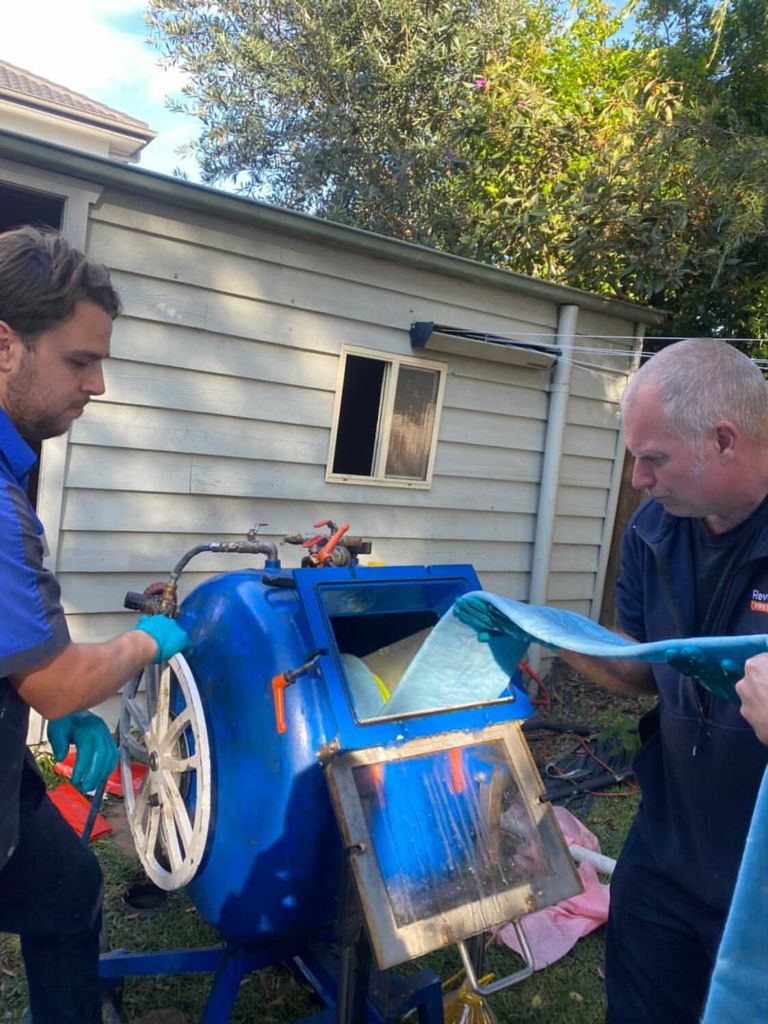
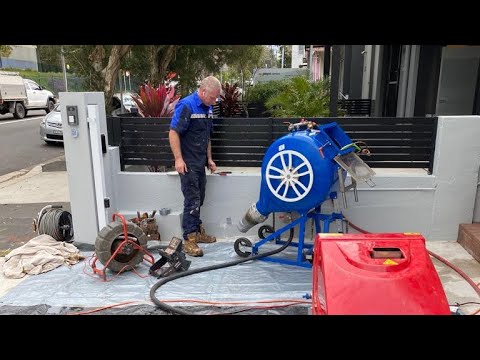
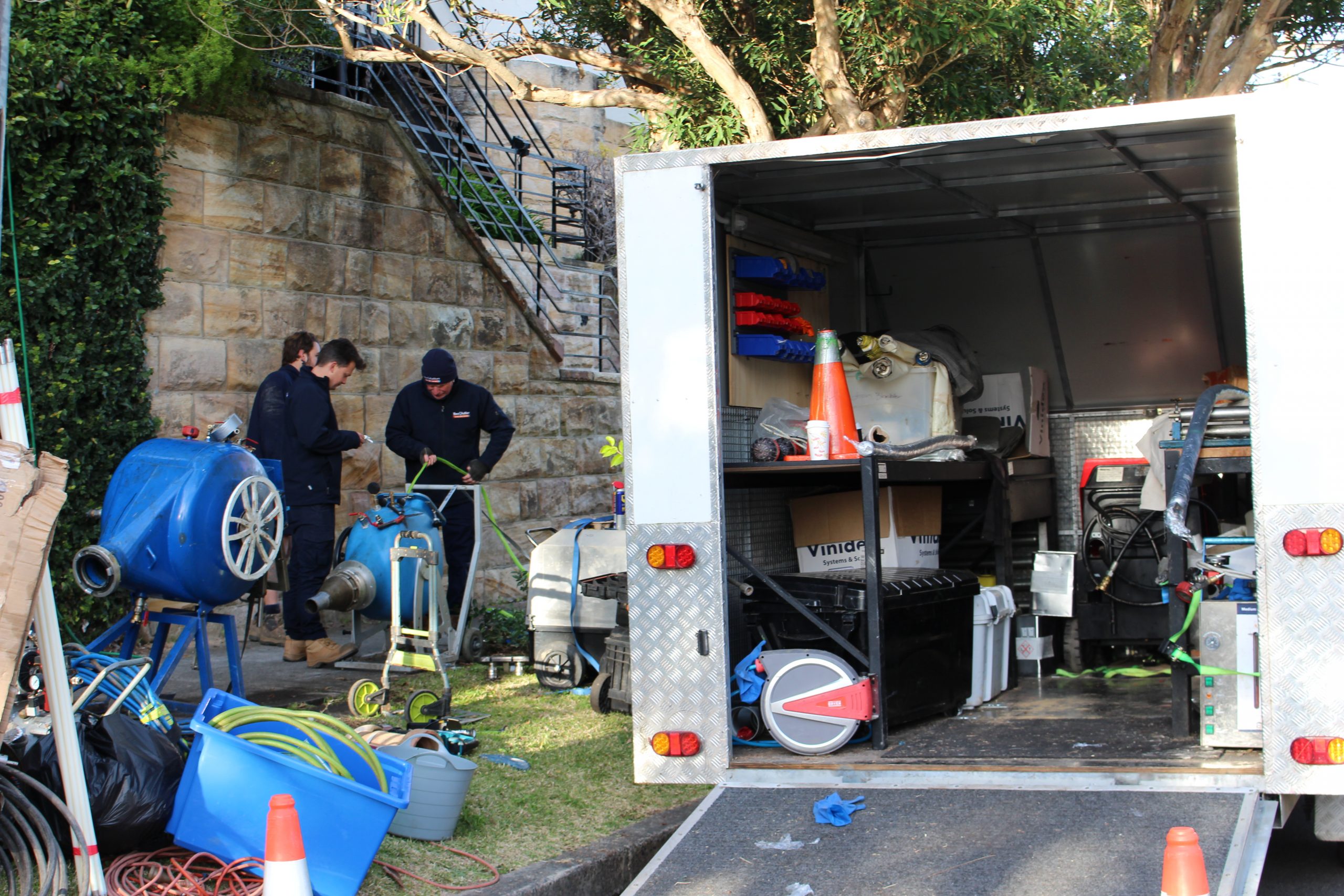
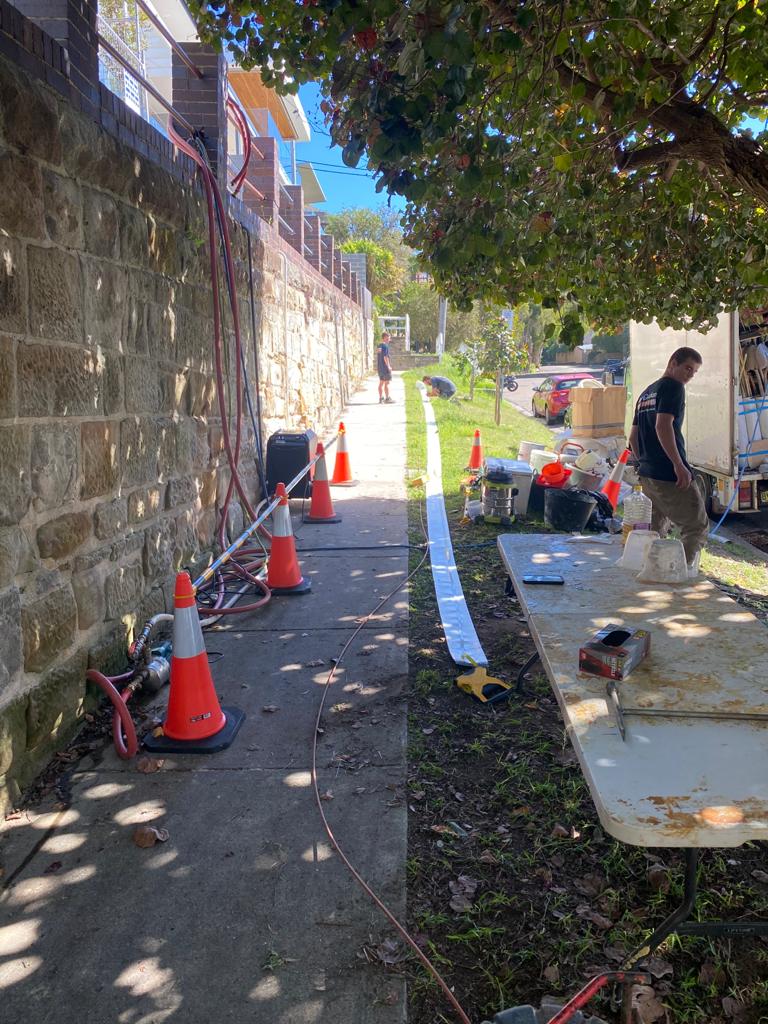
  • Here’s where things get interesting: modern trenchless solutions sound quick and neat, but the truth is the sewer pipe relining cost reflects far more than just clever marketing. Imagine trying to fix a broken pipe without digging up driveways or ripping through your garden — it takes a small army of trained technicians who know exactly how to work inside a pipe they can’t even see directly.

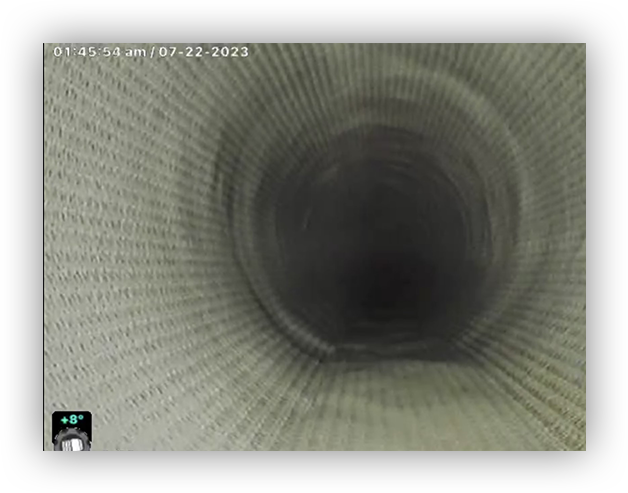
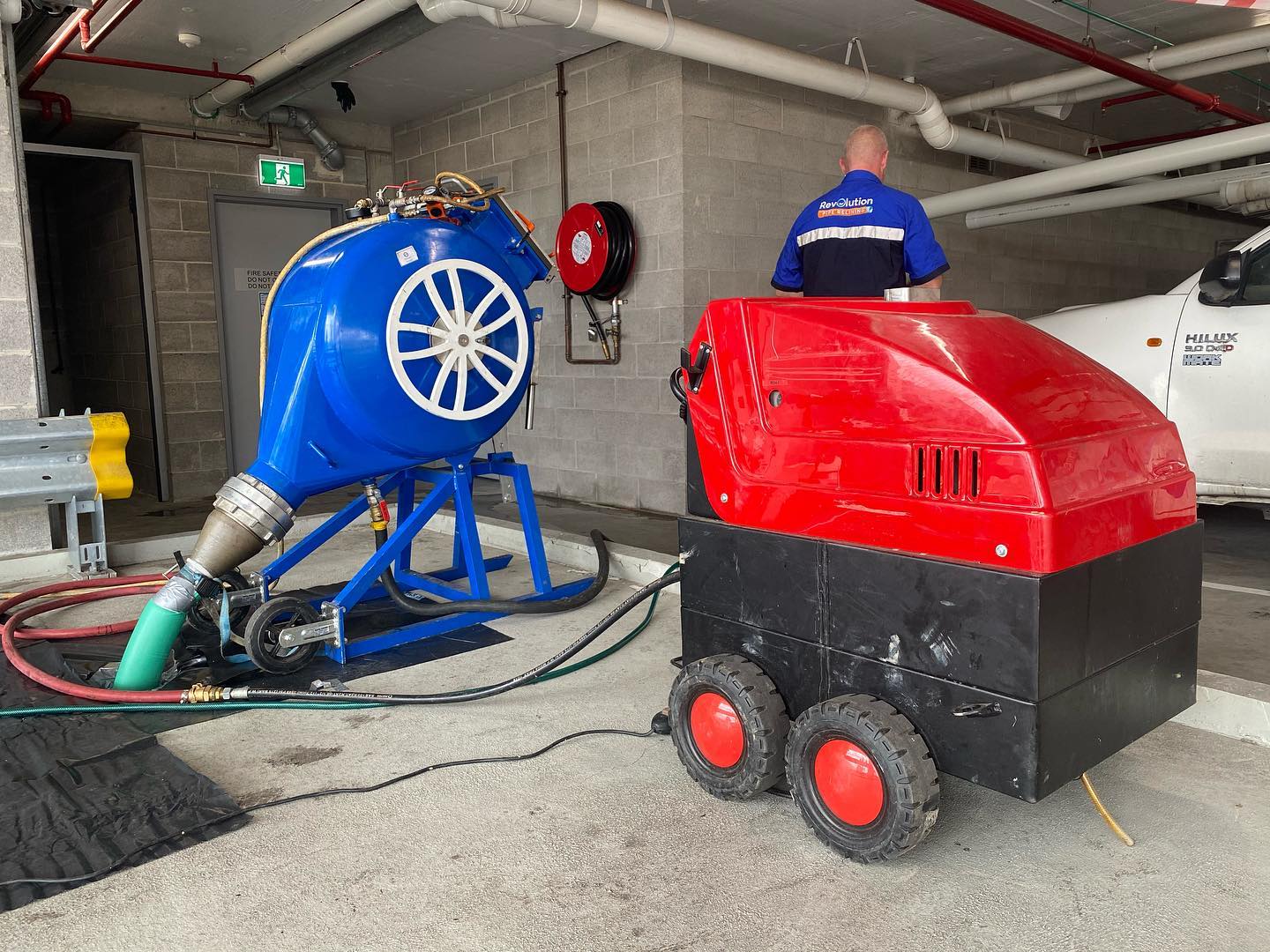
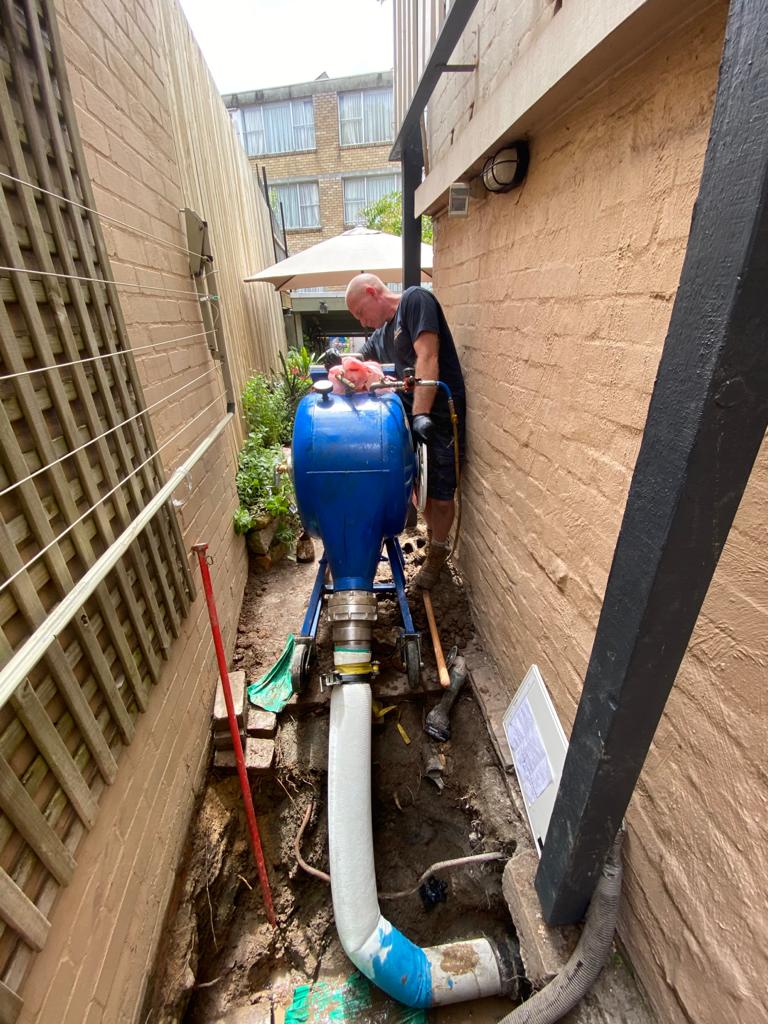
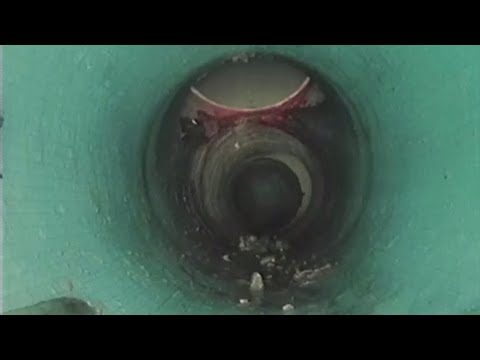
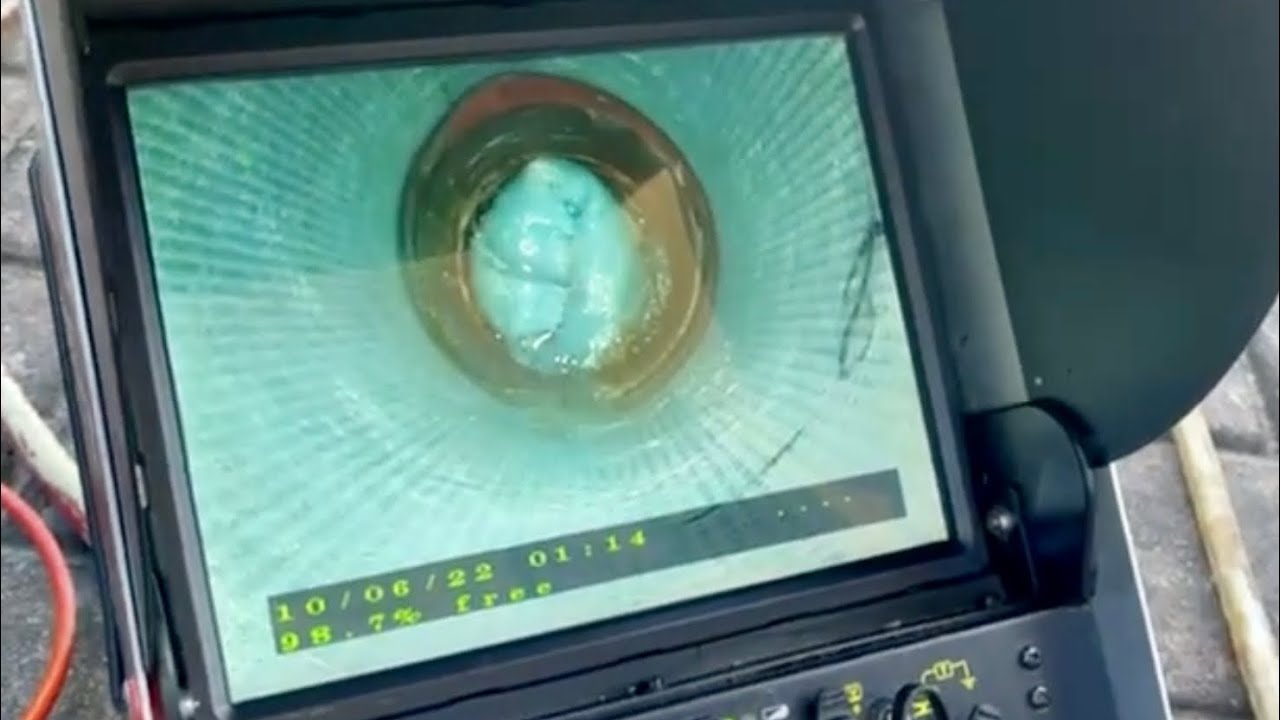
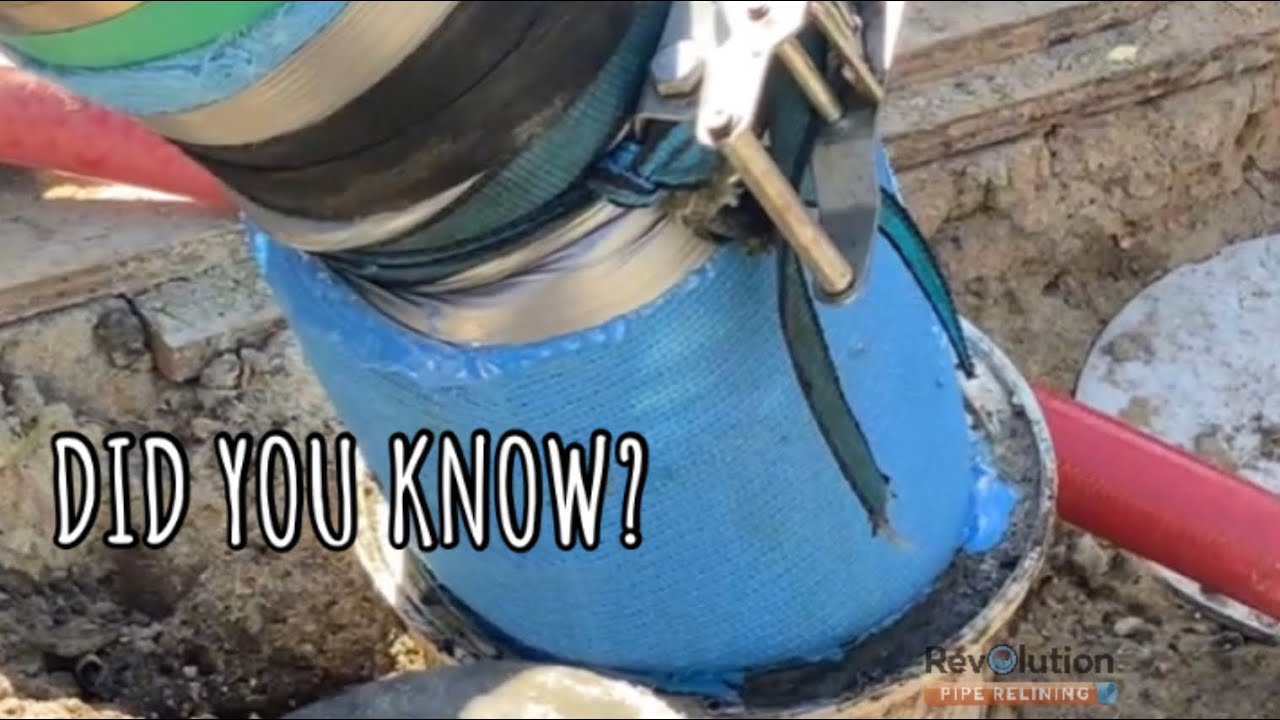
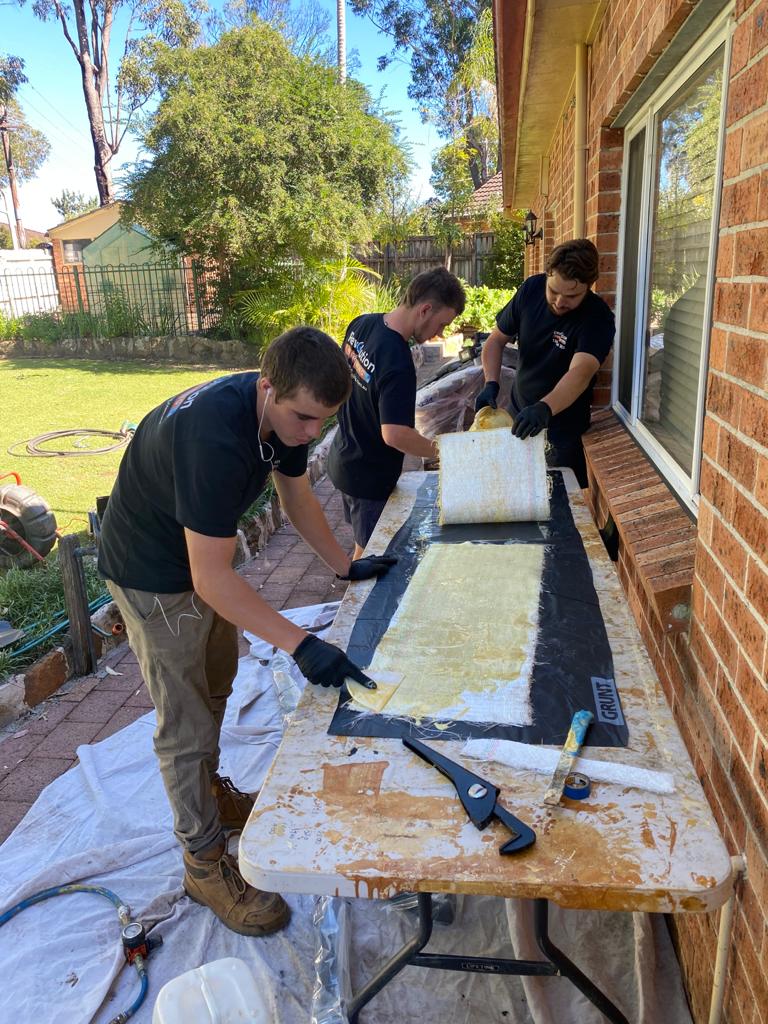
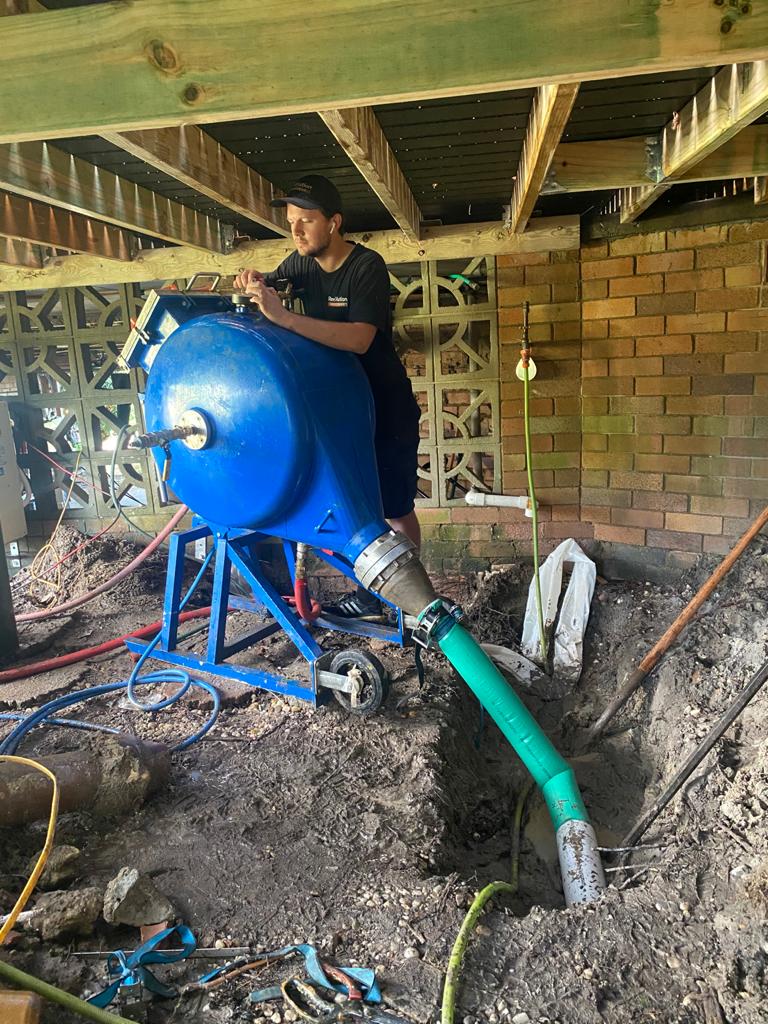
    Then there’s the equipment itself. High-pressure water jets, robotic cutters, and CCTV cameras aren’t your average plumber’s toolkit. Once the pipe is prepped, it’s relined using resin-soaked liners that harden into a seamless new pipe inside the old one — a process that needs precise timing and temperature control to get right.

    What really makes it fascinating (and costly) is that everything is happening underground, often remotely guided by camera feeds. It’s part plumbing, part engineering, and part science experiment — and when it works, it saves your lawn and patio from total destruction. But that convenience and precision come at a price, which is why homeowners are often surprised when the quote lands. Still, it’s pretty remarkable what’s possible compared to the mess of old-school excavation!

Trenching vs. Trenchless: Does the Method Change the Price?

When it comes to replacing a damaged sewer pipe, homeowners usually face two main options — and the choice makes a huge difference in cost, mess, and stress:

    • ➤ Traditional trenching
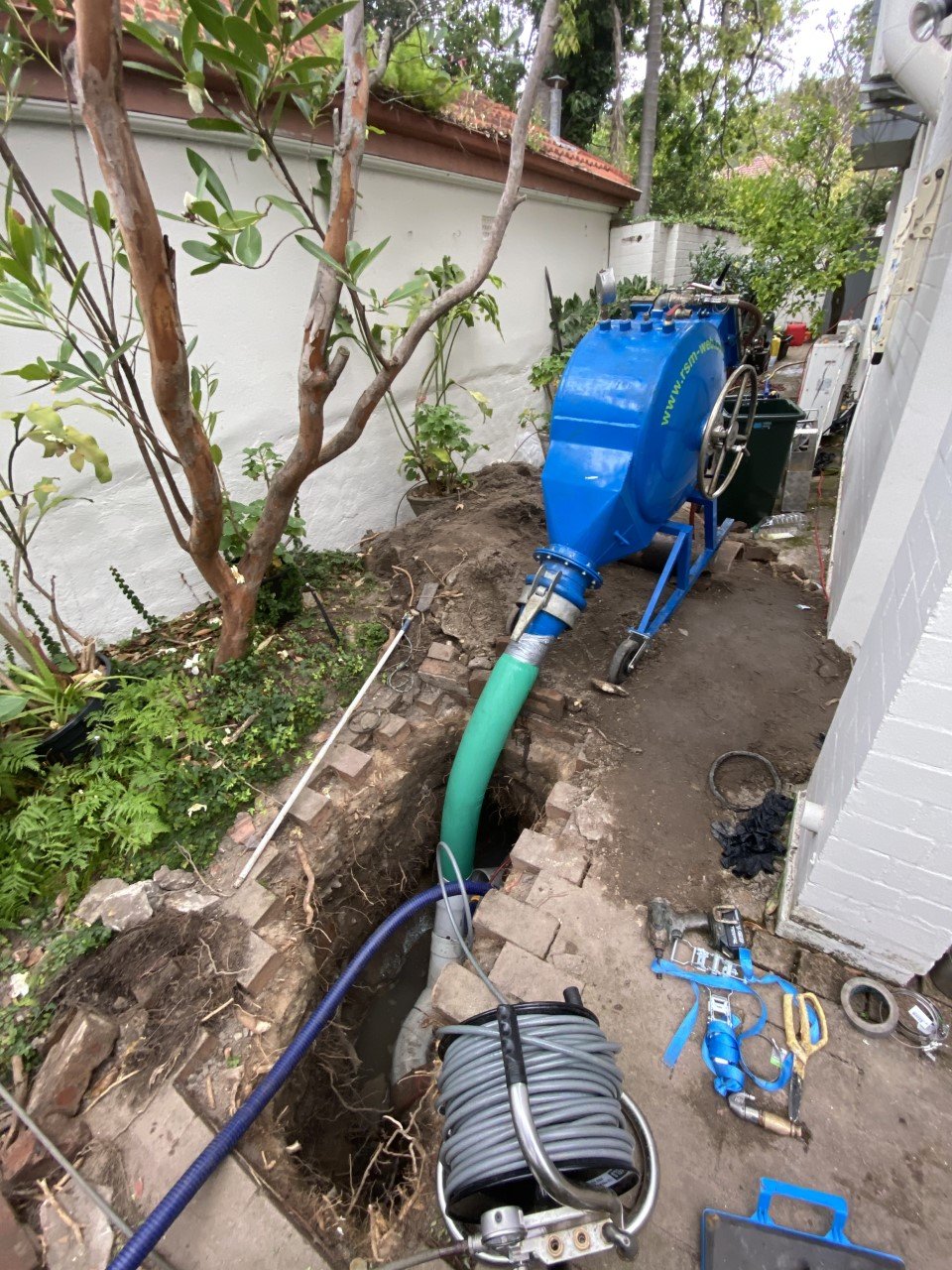
      The classic method: dig a long trench to reach the pipe, replace it, then fill everything back in. It often means tearing up lawns, gardens, driveways, or even parts of the street. While the materials themselves aren’t overly pricey, the labour, excavation, and restoration work add up fast.

    • ➤ Trenchless repair
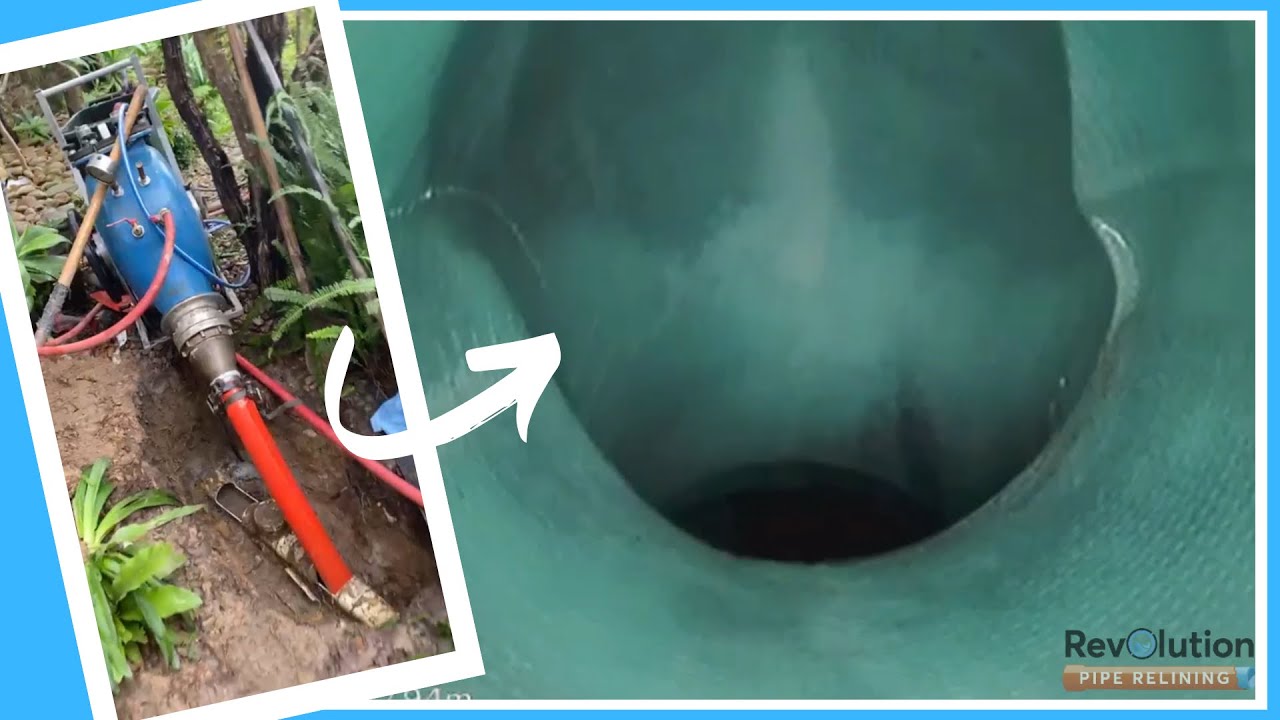
      Instead of digging up your whole yard, plumbers use access points to repair the pipe from the inside. One popular technique is sewer pipe relining, where a resin-soaked liner is inserted and cured to form a new pipe within the old one. It’s faster, much less disruptive, but the technology and expertise come at a higher upfront cost.

In the end, trenchless methods often look more expensive at first glance — but once you factor in saving your driveway, landscaping, and weeks of digging, the total cost can actually work out about the same, or even less. And for many homeowners, avoiding the chaos is well worth it.


Unseen Risks and Surprises That Push Up the Bill

  • If you’ve ever talked to a local plumber, you’ll hear the same thing: Sydney homes are full of surprises lurking underground — and they’re often the real reason your quote suddenly jumps. Many older houses still have fragile clay pipes, which can crumble the moment work begins. Add in Sydney’s famously shifting soils and tree-lined streets, and repairs become a delicate balancing act instead of a straightforward fix.

    Then there are heritage-listed properties, where even small works need special approvals or careful methods to avoid damaging original features. All of this means a job that might seem simple on paper quickly turns complicated (and expensive) in practice. It’s why pipe relining sydney projects often carry extra cost buffers: nobody truly knows what’s under there until the work starts — and by then, there’s no turning back.

Before You Dig, Talk to the Experts

Before you brush off that quote and assume it’s all profit, it’s worth remembering what’s really going on underground. Those hidden pipes carry decades of wear, unexpected blockages, and more council paperwork than anyone realises. Add in Sydney’s shifting soils, tree roots, and heritage quirks, and suddenly, the price tag starts to make a bit more sense.

The good news? You don’t have to figure it all out alone. Getting the right advice early can mean the difference between a neat trenchless fix and your entire yard being dug up. So if you’re weighing your options or just want a straight answer from people who see this every day, have a chat with Revolution Pipe Relining.

Give them a ring on 1300 844 353 or drop them an email at [email protected] — and get peace of mind before anyone picks up a shovel.

  •  

Freshen Up Your Space: Expert Tips on How to Remove Sewer Smell from Bathroom

There’s nothing worse than walking into your bathroom and being greeted by an unpleasant, lingering odour. No matter how clean the surfaces are or how fragrant your soaps may be, that foul smell can make the entire space feel uninviting—and downright unhygienic.

If you’ve noticed a strange stink that just won’t go away, you’re not alone. It’s a common issue in many households, and while it might seem minor at first, it could be a sign of something more serious going on beneath the surface.

The good news? It’s often much easier to resolve than you might think. In this guide, we’ll explore what might be causing that awful smell, how to track it down, and practical steps you can take to eliminate it—for good. Stick around, because a fresher, cleaner bathroom could be just a few simple fixes away.


Common Causes of Sewer Smell in the Bathroom

Before you can fix the problem, it’s important to understand where that unpleasant odour might be coming from. There are several potential culprits behind a sewer smell in the bathroom—some are minor, while others may require more attention.


1️⃣ Dry or Empty P-Traps

       P-traps are U-shaped bends in the pipes beneath sinks, showers, or floor drains. They’re designed to hold a small amount of water, which acts as a barrier to prevent sewer gases from rising back into your home. When a bathroom fixture isn’t used frequently, the water in the trap can evaporate, allowing smells to enter the room.


2️⃣ Clogged or Dirty Drains

       Over time, soap scum, hair, and other debris can build up inside your bathroom drains. This not only slows water flow but also creates a breeding ground for bacteria, which can cause unpleasant odours.


3️⃣ Broken or Worn Toilet Seals

      The wax ring that seals your toilet to the floor can crack or degrade over time. When this happens, sewer gas can escape around the base of the toilet, leading to persistent smells even if everything else seems clean.


4️⃣ Ventilation Issues

       Every plumbing system relies on vent pipes to regulate air pressure and allow sewer gases to escape safely outside. If these vents become blocked—due to leaves, debris, or even nesting birds—odours can get trapped and pushed back into your bathroom.


5️⃣ Damaged or Leaking Pipes

     Cracked or corroded pipes can allow sewer gas to leak out and enter your home. These are often hidden behind walls or under floors, making them trickier to detect without a professional inspection.


6️⃣ Blocked Storm Water Drainage

      In some cases, if your storm water drainage is blocked, water may back up and mix with waste systems, especially if plumbing has been incorrectly connected. This can lead to foul smells finding their way indoors—often mistaken for standard sewer odours.


Understanding these potential causes is the first step to eliminating the smell for good. Up next, we’ll walk you through how to identify the exact source of the problem in your bathroom.


Sniff It Out: Locating Where the Smell Is Coming From

Before diving into any fixes, it’s crucial to pinpoint where the smell is actually coming from. Is it near the sink? Around the toilet? Or perhaps rising from a floor drain? A careful sniff test and visual inspection can help narrow it down. Look for signs like low water in traps, visible mould, or damp areas. Identifying the source early on will save you time and effort—and ensure you’re not just masking the problem.


Tackle the Stink: Simple DIY Fixes You Can Try Today

No need to panic at the first whiff of sewer smell—these simple at-home fixes can help you take control quickly:

    • ✦ Refill Dry P-Traps
      Pour water into any unused sinks, showers, or floor drains. This replenishes the water seal that stops sewer gases from rising into the room.

    • ✦ Clean Your Bathroom Drains
      Use a mixture of baking soda and vinegar, followed by boiling water, to break down gunk and eliminate mild odours.

    • ✦ Inspect and Reseal the Toilet Base
      A broken toilet seal could be the source of the stink. If you notice movement or leaking at the base, resealing may resolve the issue.

    • ✦ Check Ventilation Pipes
      Look for blockages in roof vents—birds’ nests and debris can prevent proper airflow and push sewer gases back into your home.

    • ✦ Unblock Stormwater Drain Nearby
      Sometimes, odours are made worse by external drainage issues. If water isn’t flowing away properly, you may need to unblock stormwater drain systems around your home.

    • ✦ Try Cleaning Storm Drains
      Regularly cleaning storm drains outside your property helps prevent stagnant water and reduces the chance of smells backing into indoor plumbing.

These DIY efforts can often resolve minor sewer smells without the hassle of calling for help. Still not working? Let’s explore when it’s time to bring in a professional.


When to Call a Professional Plumber

If the sewer smell won’t go away, it may be time to bring in the experts. Here’s when to stop DIY and make the call:

    1. ▶️ Persistent Odours
      The smell keeps coming back, even after cleaning.

    2. ▶️ Water Damage or Mould
      Signs of leaks behind walls or under the floor.

    3. ▶️ Recurring Blockages
      Frequent clogs may need clearing blocked drains with proper tools.

    4. ▶️ Gurgling Sounds
      Noisy pipes often point to vent or pressure issues.

    5. ▶️ Old or Damaged Pipes
      Ageing pipes might need sewer pipe relining to avoid major repairs.
    1. ▶️ Smells in Other Rooms
      Odours spreading beyond the bathroom signal a deeper issue.

    2. ▶️ DIY Didn’t Work
      If you’ve tried everything—let the professionals take over.
  1.  

Conclusion: Say Goodbye to Bathroom Sewer Smells for Good

A persistent sewer smell in the bathroom is more than just a nuisance—it can indicate underlying plumbing issues that need immediate attention. From minor blockages to more serious pipe damage, addressing the problem early can save you time, money, and frustration. In some cases, the issue may even stem from a blocked stormwater drain, which can lead to unpleasant odours backing up into your home. If home remedies haven’t worked, it’s time to bring in the professionals.

Let Revolution Pipe Relining handle it for you. We offer fast, reliable, and cost-effective solutions—from clearing stubborn blockages to trenchless pipe repairs.


Call 1300 844 353
Email: [email protected]
Visit: www.revolutionpiperelining.com.au


Blocked Again? How to Clear a Blocked Stormwater Drain Quickly and Safely

Let’s be honest—no one enjoys dealing with drainage problems, especially when the rain starts pouring and water’s suddenly pooling where it shouldn’t be. If your yard looks more like a pond or your downpipes seem to be struggling, chances are something’s not right underground.

It might not seem like a big deal at first, but ignoring it could lead to serious property damage, not to mention the mess and stress that come with it.

In this guide, we’ll break down what causes these issues, what you can do about them, and when it’s time to call in the pros for a fix that actually lasts.

Understanding What Causes Stormwater Drain Blockages

Stormwater drains can become blocked gradually due to the build-up of natural and environmental debris. Common culprits include:

    • ➤ Leaves and branches washed in during heavy rain

    • ➤ Sediment and silt accumulating inside the pipes

    • ➤ Tree roots entering through small cracks in search of moisture

    • ➤ Ageing or poorly installed pipes that sag, corrode, or collapse over time

Left unchecked, these issues can lead to flooding, erosion, and serious structural damage. Addressing the problem early is key to preventing bigger headaches down the line.

Signs Your Stormwater Drain Is Blocked

Drainage issues often fly under the radar until they start making a mess—but there are early warning signs you can catch to prevent major damage and expensive repairs.

    • 🔹 Pooling Water
      Water collecting near downpipes, garden drains, or around your yard after rain suggests poor drainage. If ignored, this can weaken the soil and damage nearby structures.

    • 🔹 Gurgling Sounds
      Strange noises from outdoor drains during rain often mean water is struggling to get through, hinting at a blockage.

    • 🔹 Water Backing Up
      When stormwater can’t drain properly, it may pool on surfaces like driveways and patios, creating hazards and damaging concrete or paving.

    • 🔹 Overflowing Gutters
      Clean gutters that still overflow may point to a blockage further down the line in your stormwater system.

    • 🔹Damp Patches and Mould
      Persistent wet spots in your yard or signs of mildew on exterior walls could indicate water is leaking or backing up underground.

If you notice any of these signs, it’s best to act early. A prompt effort to unblock the stormwater drain can prevent long-term damage and restore proper flow.


DIY Methods to Unblock Stormwater Drains

If the blockage isn’t too severe, you might be able to resolve the issue yourself. Here are some methods you can try:

1️⃣ High-Pressure Water Jetting

Using a high-pressure hose can help dislodge debris and wash it through the pipe. This is especially effective for clearing loose leaves and sediment.

2️⃣ Drain Rods

Manual drain rods can be pushed into the stormwater line to break apart and remove blockages. This method requires a bit of elbow grease and patience, but it can work well for minor clogs.

3️⃣ Check the Grates and Entry Points

Sometimes the issue lies at the surface. Remove grates and scoop out any visible debris or sludge that’s preventing water from entering the drainage system.

‼️Warning: These methods may only offer temporary relief. If the blockage returns or worsens, it’s best to contact a professional blocked drain services.


  •  

How Professionals Tackle Stubborn Stormwater Blockages

  • When DIY methods fall short and your storm water drainage blocked situation isn’t improving, it’s time to call in the professionals. At Revolution Pipe Relining, we offer reliable blocked drain services using modern tools and proven techniques to tackle even the most persistent drainage problems.

    Our process typically begins with a CCTV drain inspection. This non-invasive technology helps us accurately locate the blockage and assess the condition of your stormwater pipes—saving time and avoiding unnecessary excavation.

    Depending on the cause and severity of the blockage, we may use hydro jetting, a high-pressure water method designed to flush out built-up debris, silt, and grime. This technique is especially effective for recurring blockages that can’t be cleared with conventional tools.

    If tree roots have intruded into the pipes—a common issue in older stormwater systems—we use special root-cutting equipment to remove them efficiently. These tools allow us to clear the blockage while preserving the integrity of the pipe.

    With our expertise, you can be confident your drainage issues will be addressed thoroughly and safely. Whether your system is blocked by roots, debris, or structural damage, our team will restore proper flow and help protect your property from further damage.


Is It Time to Repair Your Stormwater Pipes Without Digging?

In some cases, regular clearing isn’t enough—especially if your stormwater pipes are damaged. When blockages keep coming back or inspections reveal structural issues, it might be time to consider storm water pipe relining.

This modern, trenchless method involves inserting a durable liner into the existing pipe, which then hardens to form a new pipe within the old one. It’s ideal for pipes that are cracked, corroded, misaligned, or frequently invaded by tree roots. Unlike traditional replacements, relining doesn’t require major excavation, making it faster, less disruptive, and more cost-effective in the long run.

If your stormwater system is aging or has been repeatedly compromised, this method offers a long-term solution that restores functionality and improves flow—without tearing up your property.


  •  

Benefits of Pipe Relining

    • ➤ No need for excavation or digging up your yard

    • ➤ Faster and more cost-effective than pipe replacement

      ➤ Long-lasting results – typically over 50 years

    • ➤ Improved flow capacity and fewer blockages

If you’re frequently dealing with a blocked stormwater drain, relining might be the long-term solution you’ve been looking for.


Why Choose Revolution Pipe Relining?

As a leading pipe relining company in Australia, we take pride in offering premium services at competitive prices. Here’s why customers trust us to solve their stormwater drainage issues:

  • 🔹 Expert technicians: Our team is fully trained and equipped to handle all types of blockages and pipe damage.

  • 🔹 Trenchless technology: We use the latest trenchless pipe relining Sydney techniques to minimise disruption and deliver efficient results.

  • 🔹 Transparent pricing: We provide upfront quotes so there are no surprises.

🔹 Long-term solutions: Whether it’s a simple jetting job or a full reline, we deliver quality work that lasts.

  •  

Get Expert Help Today

If you’re dealing with ongoing drainage issues or suspect deeper pipe damage, don’t wait for the problem to worsen. Whether it’s a one-time blockage or you need a long-term fix, our expert team is ready to help.

Contact Revolution Pipe Relining today for fast, reliable service and long-lasting solutions.

📞 Call us now at 1300 844 353
📧 Email: [email protected]

Let us restore your drainage system—and your peace of mind.

  •  

Why Do Pipes Make Noise When Water Is Turned Off? Causes, Fixes, and Prevention

Ever turned off a tap, only to hear a sudden clunking or banging from your pipes? If so, you’re not alone. Pipes making noise when water is turned off is a common issue for homeowners, and it’s usually down to something called a water hammer. While the sound can be annoying, it can also indicate a bigger problem within your plumbing system. In this blog, we’ll break down why this happens, how to fix it, and when it’s time to call in the pros for more complex solutions like water hammer repair, pipe leak repair, or even a full pipe relining in Sydney.


What Causes Pipes to Make Noise When Water Is Turned Off?

So, what’s behind those noisy pipes? Here are the main culprits:

    1. 1️⃣. Sudden Change in Water Flow Pressure
      When you quickly shut off a tap, the water moving through your pipes has to come to an abrupt stop. This causes a pressure surge, almost like a mini shockwave, making your pipes clatter or bang as the water forcefully hits the closed valve. This is a classic case of water pipe hammering, one of the most common causes of plumbing noise.
    2. 2️⃣. Air Trapped in Pipes
      Sometimes, air gets trapped in your plumbing system. This can cause sporadic banging or vibrating noises, especially if the pipes aren’t properly vented or have just had some repair work done.
    3. 3️⃣. Loose or Insecure Pipes
      Pipes that aren’t properly secured can rattle or knock against walls or other structures when water pressure suddenly changes. This is a common issue in older homes with aging pipe systems.
    4. 4️⃣. Pipe Design and Material
      The type of pipes you have also matters. Metal pipes, like copper, are much more likely to create noise than plastic pipes because they conduct sound more efficiently.


Why You Shouldn’t Ignore Water Hammer

Ignoring water hammer can lead to more than just annoying noises. Over time, repeated pressure surges can weaken pipe joints, crack pipes, or even cause them to burst. This kind of damage can be costly to repair and may require extensive work if the damage is severe.

Damaged pipes are also more likely to leak, which can lead to costly water damage and higher water bills. Small leaks can be easy to miss, but over time, they can cause significant problems, including mould growth and structural damage.

The shockwaves from a water hammer can also be tough on your appliances. Devices like dishwashers, washing machines, and water heaters can suffer from repeated pressure surges, potentially shortening their lifespan and leading to expensive repairs or replacements.

Additionally, if water is constantly leaking due to damaged pipes, you’ll likely see a noticeable spike in your water bills, adding to your household expenses.

Finally, there’s the risk of mould and mildew. Leaking pipes create the perfect damp environment for these to thrive, which can lead to health issues and costly remediation if left unchecked.


Water Hammer Fix and Pipe Leak Repair Options

If your pipes are making noise, here are a few ways to address it:

    1. ➤ Install Water Hammer Arrestors
      These small devices are designed to absorb the shockwave caused by sudden water stoppages, reducing the pressure surge and associated noise.
    2. ➤Secure Loose Pipes
      Use pipe clamps or brackets to secure loose pipes and reduce the potential for rattling and banging.
    3. ➤ Drain the Plumbing System
      Removing trapped air can be as simple as draining your entire plumbing system and then refilling it. This can help restore smooth water flow and eliminate those annoying air pockets.
    4. ➤ Reduce Water Pressure
      If your home has high water pressure, this can make water hammer problems worse. Installing a pressure regulator can help keep things in check.


Understanding Pipe Relining Sydney: Costs, Benefits, and Long-Term Savings

The Pipe Relining Cost in Sydney can vary widely, depending on several factors. The length and diameter of the pipe being relined are major considerations, as longer and wider pipes naturally require more material and labour. The condition of your pipes also plays a role – severely damaged or corroded pipes may require more preparation before the relining can begin, potentially increasing the overall cost.

However, while the upfront expense might seem significant, pipe relining is often a smart long-term investment. It not only repairs damaged pipes but also reinforces them, reducing the likelihood of future leaks or water hammer issues. This method essentially creates a new, seamless pipe within the old one, restoring its structural integrity without the need for disruptive excavation or wall demolition.

Additionally, pipe relining can save you money in the long run by preventing costly water damage and avoiding the need for more extensive plumbing repairs later on. For many homeowners, the reduced hassle and long-lasting results make pipe relining a more attractive option than traditional pipe replacement.

If you’re concerned about costs, it’s a good idea to get a detailed quote from a professional, as this will give you a clearer picture of what to expect based on your specific plumbing system.


When to Call a Professional

If you’ve tried the DIY fixes without success, it might be time to call a professional. Persistent water hammer could be a sign of a more serious issue, like a broken pipe or faulty valve, which requires expert attention.


Final Thoughts

Noisy pipes can be a hassle, but with the right approach, you can restore peace to your plumbing system. Whether you need a quick repair, a professional assessment, or a full pipe overhaul, don’t hesitate to take action. It could save you a lot of money and stress down the line.

Need help with noisy pipes? Contact Revolution Pipe Relining at 1300 844 353 or email [email protected] for a free consultation. Let us bring quiet back to your home.

The Ultimate Guide on How to Find Pipe Leak Underground Without Digging Blindly
blog Pipe Relining

The Ultimate Guide on How to Find Pipe Leak Underground Without Digging Blindly

So, you suspect there’s a pipe leak somewhere underground, but you have no clue where to start digging — literally....
Read More
How to Fix a Leaking Copper Pipe in 5 Simple Steps
blog Pipe Relining

How to Fix a Leaking Copper Pipe in 5 Simple Steps

Living in Sydney means dealing with everything from sunny days to sudden downpours — and the last thing you want...
Read More
How to Find Sewer Line Locations Without the Guesswork
blog Pipe Relining

How to Find Sewer Line Locations Without the Guesswork

If you’re a homeowner or even a landlord, knowing how to find the sewer line in your house is essential....
Read More
What Are the Symptoms of Sewer Gas Poisoning?  Causes, Effects, and Prevention
blog Pipe Relining

What Are the Symptoms of Sewer Gas Poisoning? Causes, Effects, and Prevention

Sewer gas might not be something you think about every day — until it starts making its presence known with...
Read More
Why is Sewer Line Replacement So Expensive? The Shocking Truth Buried Under Your Feet
blog Pipe Relining

Why is Sewer Line Replacement So Expensive? The Shocking Truth Buried Under Your Feet

A few phrases strike fear into a homeowner’s heart quite like “you’ll need a sewer line replacement.” And it’s usually...
Read More
Freshen Up Your Space: Expert Tips on How to Remove Sewer Smell from Bathroom
blog Pipe Relining

Freshen Up Your Space: Expert Tips on How to Remove Sewer Smell from Bathroom

There’s nothing worse than walking into your bathroom and being greeted by an unpleasant, lingering odour. No matter how clean...
Read More
Blocked Again? How to Clear a Blocked Stormwater Drain Quickly and Safely
blog

Blocked Again? How to Clear a Blocked Stormwater Drain Quickly and Safely

Let’s be honest—no one enjoys dealing with drainage problems, especially when the rain starts pouring and water’s suddenly pooling where...
Read More
Why Do Pipes Make Noise When Water Is Turned Off? Causes, Fixes, and Prevention
blog

Why Do Pipes Make Noise When Water Is Turned Off? Causes, Fixes, and Prevention

Ever turned off a tap, only to hear a sudden clunking or banging from your pipes? If so, you’re not...
Read More
How to Clean Drain Pipes with Baking Soda: Your Secret Weapon for Fresh, Free-Flowing Drains
blog

How to Clean Drain Pipes with Baking Soda: Your Secret Weapon for Fresh, Free-Flowing Drains

When it comes to plumbing, an ounce of prevention is worth a fortune in repairs. Luckily, keeping your pipes happy...
Read More
How to Clear Blocked Drainage Pipe Without the Stress: Here’s What We Recommend
blog

How to Clear Blocked Drainage Pipe Without the Stress: Here’s What We Recommend

There’s never a good time to discover a drainage issue. Whether it’s a slow-draining sink, a gurgling toilet, or a...
Read More
What Drain Cleaner is Safe for PVC Pipes
blog

What Drain Cleaner is Safe for PVC Pipes

When it comes to home plumbing, it’s easy to overlook the importance of choosing the right drain cleaner. After all,...
Read More
How to Unclog Toilet Drain Pipe
blog

How to Unclog Toilet Drain Pipe

Dealing with a blocked toilet? It’s more than just a hassle – it can throw off your entire day and...
Read More
How To Unblock a Drain Pipe Outside
blog

How To Unblock a Drain Pipe Outside

We all know how frustrating it can be when your outdoor drains get clogged. Whether it’s a heavy rainstorm, leaves...
Read More
How to Clean Kitchen Sink Drain Pipe
blog

How to Clean Kitchen Sink Drain Pipe

Ugh! There's nothing worse than facing a sink full of dirty water that just won't budge, is there? If you're...
Read More
How to Unblock Shower Drain Pipe
blog

How to Unblock Shower Drain Pipe

Splish, splash – that's not supposed to happen during a shower! When water starts pooling around ankles instead of flowing...
Read More
How to Get Rid of Rats in Sewer Pipes
blog

How to Get Rid of Rats in Sewer Pipes

Oh no! Did you just hear that scratching sound coming from your drains? You might be facing one of property...
Read More
How to Fix a Leaking Sewer Pipe Under Your House
blog

How to Fix a Leaking Sewer Pipe Under Your House

Dealing with a leaking sewer pipe under your house? We know how stressful and disruptive it can be. But don’t...
Read More
Stop Holding Your Nose! The No-Nonsense Guide on How to Clean Stinky Drains
blog

Stop Holding Your Nose! The No-Nonsense Guide on How to Clean Stinky Drains

Stop doing this one thing if you want to avoid that awful smell wafting from your drain: ignoring the early...
Read More
How Much Does Pipe Relining Cost?
blog

How Much Does Pipe Relining Cost?

Raise your hand if you’ve ever dealt with damaged pipes? You're not alone. we've been getting loads of questions about...
Read More
Roots vs. Pipes: How to Fix Roots in Sewer Line Before Disaster Strikes
blog

Roots vs. Pipes: How to Fix Roots in Sewer Line Before Disaster Strikes

Let’s settle this once and for all: tree roots and sewer pipes are not a good mix. Here's a plumbing...
Read More
1 2 3 9

How to Clean Drain Pipes with Baking Soda: Your Secret Weapon for Fresh, Free-Flowing Drains

When it comes to plumbing, an ounce of prevention is worth a fortune in repairs. Luckily, keeping your pipes happy doesn’t require magic — just a bit of baking soda. Learning how to clean drain pipes with baking soda is a simple, natural way to fend off foul smells, stubborn clogs, and unwelcome surprises from your drains. Let’s uncover how this pantry powerhouse works, when it’s your best friend, and when it’s wiser to call in the experts.

The Magic of Baking Soda: More Than Just a Baking Ingredient

Cleaning drains might not sound glamorous, but with baking soda, you’re armed with a surprisingly powerful tool. Let’s uncover why this humble kitchen staple punches well above its weight. Baking soda, or sodium bicarbonate, is mildly abrasive, making it excellent for physically loosening debris clinging to the inside of your pipes. It’s also naturally deodorising, helping to neutralise the unpleasant odours that often signal a developing blockage. When paired with vinegar, baking soda triggers a bubbling reaction that gently but effectively breaks down grease, soap scum, and general grime lurking below the surface.

Choosing baking soda to clean drain pipes offers more than just immediate results — it’s a safer, eco-friendlier alternative to chemical cleaners that can corrode your plumbing over time and pollute the environment. By opting for this natural solution, you’re not only protecting your drains but also contributing to a healthier home and a greener planet.


Step-by-Step: How to Clean Drain Pipes with Baking Soda Like a Pro

If you’re ready to breathe new life into your drains, follow these simple steps:

What You’ll Need:


    • ➤ Half a cup of baking soda


    • ➤ One cup of white vinegar


    • ➤ A kettle of boiling water


    • ➤ A clean cloth or drain plug


Here’s How:


    1. 1️⃣ Loosen Things Up: Pour boiling water down the drain to melt away initial grime.


    2. 2️⃣ Add Baking Soda: Tip half a cup directly into the drain, letting it reach deep inside.


    3. 3️⃣ Create the Reaction: Pour vinegar in slowly and watch the fizzing magic begin.


    4. 4️⃣ Seal the Deal: Cover the drain to force the reaction downward into the pipes.


    5. 5️⃣Let It Work: Wait 10–15 minutes while it breaks down build-up.


    6. 6️⃣ Final Flush: Wash it all away with another round of boiling water.


By using this natural way to clean drain pipes once a month, you’ll help keep major blockages and odours at bay.

Easy Drain Care Tips You Shouldn’t Ignore

    • 🔹 Flush with Hot Water Weekly: Keep grease from setting by rinsing with boiling water.

    • 🔹Use Strainers: Catch hair, soap bits, and food scraps before they slip into the pipes.
    •  
    • 🔹Think Before You Pour: Oils and grease should go in the bin, never down the sink.
    •  
  • Small habits like these, combined with regular baking soda treatments, can save you a fortune in emergency call-outs.


When a Homemade Drain Cleaner Isn’t Enough

While a homemade drain cleaner like baking soda and vinegar is brilliant for maintenance, it’s not a miracle cure for severe clogs or pipe damage.

If your drain stays slow, smells persist, or water backs up even after cleaning, it might be time for professional help. A quick call to a blocked drain repair Sydney specialist could save you from bigger problems down the track. And if your pipes are cracked or invaded by tree roots, you might need drain pipe relining to fix the problem for good — without messy excavation.


Recognising the Red Flags Before Bigger Problems Begin

Even regular cleaning of drain pipes using baking soda and natural methods can only do so much. Sometimes, underlying issues need more than a homemade remedy. Keep an eye out for these warning signs:

    • 🔹 Water taking far too long to drain away

    • 🔹 Blockages that keep returning despite your efforts

    • 🔹 Odd gurgling noises coming from within the pipes

    • 🔹 Persistent, unpleasant odours lingering around sinks and drains

    • 🔹 Damp patches, stains, or unexplained moisture near plumbing fixtures

If you notice any of these problems, it’s a clear sign that simple cleaning of drain pipes might not be enough — and it’s time to call in professional help.

At Revolution Pipe Relining, we offer fast, reliable blocked drain repair Sydney services and cutting-edge drain pipe relining solutions to fix problems without the mess of digging.


Ready to Take the Pressure Off Your Pipes?

Knowing how to clean drain pipes with baking soda gives you a powerful, natural way to look after your plumbing — but sometimes, professional help is the best choice.

If you need expert advice, reliable repairs, or modern pipe solutions, reach out to us at Revolution Pipe Relining. Call us today at 1300 844 353 or email [email protected]. We’re always ready to help keep your drains — and your life — running smoothly.


The Ultimate Guide on How to Find Pipe Leak Underground Without Digging Blindly
blog Pipe Relining

The Ultimate Guide on How to Find Pipe Leak Underground Without Digging Blindly

So, you suspect there’s a pipe leak somewhere underground, but you have no clue where to start digging — literally....
Read More
How to Fix a Leaking Copper Pipe in 5 Simple Steps
blog Pipe Relining

How to Fix a Leaking Copper Pipe in 5 Simple Steps

Living in Sydney means dealing with everything from sunny days to sudden downpours — and the last thing you want...
Read More
How to Find Sewer Line Locations Without the Guesswork
blog Pipe Relining

How to Find Sewer Line Locations Without the Guesswork

If you’re a homeowner or even a landlord, knowing how to find the sewer line in your house is essential....
Read More
What Are the Symptoms of Sewer Gas Poisoning?  Causes, Effects, and Prevention
blog Pipe Relining

What Are the Symptoms of Sewer Gas Poisoning? Causes, Effects, and Prevention

Sewer gas might not be something you think about every day — until it starts making its presence known with...
Read More
Why is Sewer Line Replacement So Expensive? The Shocking Truth Buried Under Your Feet
blog Pipe Relining

Why is Sewer Line Replacement So Expensive? The Shocking Truth Buried Under Your Feet

A few phrases strike fear into a homeowner’s heart quite like “you’ll need a sewer line replacement.” And it’s usually...
Read More
Freshen Up Your Space: Expert Tips on How to Remove Sewer Smell from Bathroom
blog Pipe Relining

Freshen Up Your Space: Expert Tips on How to Remove Sewer Smell from Bathroom

There’s nothing worse than walking into your bathroom and being greeted by an unpleasant, lingering odour. No matter how clean...
Read More
Blocked Again? How to Clear a Blocked Stormwater Drain Quickly and Safely
blog

Blocked Again? How to Clear a Blocked Stormwater Drain Quickly and Safely

Let’s be honest—no one enjoys dealing with drainage problems, especially when the rain starts pouring and water’s suddenly pooling where...
Read More
Why Do Pipes Make Noise When Water Is Turned Off? Causes, Fixes, and Prevention
blog

Why Do Pipes Make Noise When Water Is Turned Off? Causes, Fixes, and Prevention

Ever turned off a tap, only to hear a sudden clunking or banging from your pipes? If so, you’re not...
Read More
How to Clean Drain Pipes with Baking Soda: Your Secret Weapon for Fresh, Free-Flowing Drains
blog

How to Clean Drain Pipes with Baking Soda: Your Secret Weapon for Fresh, Free-Flowing Drains

When it comes to plumbing, an ounce of prevention is worth a fortune in repairs. Luckily, keeping your pipes happy...
Read More
How to Clear Blocked Drainage Pipe Without the Stress: Here’s What We Recommend
blog

How to Clear Blocked Drainage Pipe Without the Stress: Here’s What We Recommend

There’s never a good time to discover a drainage issue. Whether it’s a slow-draining sink, a gurgling toilet, or a...
Read More
What Drain Cleaner is Safe for PVC Pipes
blog

What Drain Cleaner is Safe for PVC Pipes

When it comes to home plumbing, it’s easy to overlook the importance of choosing the right drain cleaner. After all,...
Read More
How to Unclog Toilet Drain Pipe
blog

How to Unclog Toilet Drain Pipe

Dealing with a blocked toilet? It’s more than just a hassle – it can throw off your entire day and...
Read More
How To Unblock a Drain Pipe Outside
blog

How To Unblock a Drain Pipe Outside

We all know how frustrating it can be when your outdoor drains get clogged. Whether it’s a heavy rainstorm, leaves...
Read More
How to Clean Kitchen Sink Drain Pipe
blog

How to Clean Kitchen Sink Drain Pipe

Ugh! There's nothing worse than facing a sink full of dirty water that just won't budge, is there? If you're...
Read More
How to Unblock Shower Drain Pipe
blog

How to Unblock Shower Drain Pipe

Splish, splash – that's not supposed to happen during a shower! When water starts pooling around ankles instead of flowing...
Read More
How to Get Rid of Rats in Sewer Pipes
blog

How to Get Rid of Rats in Sewer Pipes

Oh no! Did you just hear that scratching sound coming from your drains? You might be facing one of property...
Read More
How to Fix a Leaking Sewer Pipe Under Your House
blog

How to Fix a Leaking Sewer Pipe Under Your House

Dealing with a leaking sewer pipe under your house? We know how stressful and disruptive it can be. But don’t...
Read More
Stop Holding Your Nose! The No-Nonsense Guide on How to Clean Stinky Drains
blog

Stop Holding Your Nose! The No-Nonsense Guide on How to Clean Stinky Drains

Stop doing this one thing if you want to avoid that awful smell wafting from your drain: ignoring the early...
Read More
How Much Does Pipe Relining Cost?
blog

How Much Does Pipe Relining Cost?

Raise your hand if you’ve ever dealt with damaged pipes? You're not alone. we've been getting loads of questions about...
Read More
Roots vs. Pipes: How to Fix Roots in Sewer Line Before Disaster Strikes
blog

Roots vs. Pipes: How to Fix Roots in Sewer Line Before Disaster Strikes

Let’s settle this once and for all: tree roots and sewer pipes are not a good mix. Here's a plumbing...
Read More
1 2 3 9

Who We've Helped