Have you noticed water pooling around your yard after heavy rain? Are your outdoor drains overflowing or taking forever to empty? These are common signs that you may have a blocked stormwater drain. At the same time, it might seem like a minor inconvenience at first; ignoring the issue can lead to flooding, property damage, and costly repairs.
If you’re wondering how to unblock stormwater pipe systems safely and effectively, you’re in the right place. In this guide, we’ll explain what causes blockages, how to identify the warning signs, what you can try yourself, and when it’s time to call in the professionals.
Signs You Have a Blocked Stormwater Drain
Not sure whether your stormwater system is blocked? Watch out for these common warning signs:
🔹Water pooling in your gaden or driveway
🔹Overflowing outdoor drains during rain
🔹Gutters backing up despite being clean
🔹Slow drainage around stormwater grates
🔹Muddy patches that stay wet long after rain
🔹Unpleasant smells coming from outdoor drains
The sooner you address a stormwater pipe blockage, the less likely you’ll face expensive structural damage, erosion, or landscaping repairs.
What Causes Stormwater Pipe Blockages?
Understanding the cause makes it easier to choose the right solution.
Tree Roots
Tree roots naturally seek moisture and can enter tiny cracks in underground pipes. Once inside, they continue growing until they severely restrict water flow.
Leaves and Garden Debris
Autumn leaves, twigs, mulch, and grass clippings often wash into drains during rainstorms. Over time, they build up and create stubborn blockages.
Dirt and Sediment
Heavy rainfall can wash soil, sand, and gravel into stormwater systems. Gradually, this sediment settles and reduces pipe capacity.
Collapsed or Damaged Pipes
Older pipes can crack, collapse, or shift due to ground movement, creating areas where debris easily collects.
Construction Waste
Concrete, rubble, or building materials accidentally entering drains during renovations can create severe blockages that require professional blocked drain clearing equipment to remove safely.
How to Unblock Stormwater Pipe Yourself
If the blockage is relatively minor, there are a few things you can safely try before calling a plumber.
- Remove Surface Debris
Start by clearing leaves, sticks, and visible debris from the drain grate.
Sometimes the problem is simply a clogged inlet rather than a blockage deeper in the pipe.
- Flush with Water
Using a garden hose, direct a strong stream of water into the drain.
If the water begins flowing freely, you’ve likely cleared a small obstruction.
- Use a Drain Rod
Flexible drain rods can sometimes push through soft blockages.
However, use caution. Excessive force may damage older pipes or further compact the blockage.
- Try a Pressure Nozzle
Some pressure washer attachments are specifically designed for stormwater drain cleaning. These nozzles spray water backwards, helping propel the hose through the pipe while blasting away debris.
Remember, DIY methods work best for simple blockages. If the water continues to back up, the obstruction is probably deeper underground.
Why You Should Avoid Chemical Drain Cleaners
Many homeowners reach for chemical drain cleaners hoping for a quick fix.
Unfortunately, they’re usually ineffective for outdoor stormwater systems because blockages often consist of soil, roots, or heavy debris rather than grease.
Harsh chemicals can also:
🔹Damage certain pipe materials.
🔹Harm nearby plants and lawns
🔹Contaminate groundwater
🔹Pose health risks during handling.
Mechanical cleaning methods and professional blocked drain clearing services are much safer and deliver far better results.
Professional Stormwater Drain Cleaning
If DIY attempts don’t solve the problem, professional stormwater drain cleaning is the best option.
Modern plumbers use specialised equipment that quickly identifies and removes blockages without unnecessary excavation.
Professional services typically include:
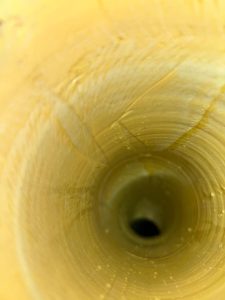
CCTV Drain Camera Inspection
A waterproof camera is inserted into the pipe to pinpoint the exact location and cause of the blockage.
This eliminates guesswork and allows technicians to recommend the most effective repair.
High-Pressure Water Jetting
One of the most effective methods for unblocking stormwater pipe systems is high-pressure water jetting.
Powerful jets of water remove:
🔹Mud
🔹Leaves
🔹Sand
🔹Tree roots
🔹Sludge
🔹Organic buildup
The pipe is thoroughly cleaned, restoring maximum flow.
Root Removal
If tree roots are causing the blockage, specialised cutting equipment removes them before they cause permanent damage to the pipe.
Storm Water Pipe Relining
If inspections reveal cracks, fractures, or recurring root intrusion, stormwater pipe relining offers a long-lasting, trenchless repair solution. Rather than digging up your garden, driveway, or landscaping, a durable liner is installed inside the existing pipe to create a new, seamless pipe within the old one.
Stormwater pipe relining not only repairs damaged sections but also helps prevent future root intrusion and reduces the likelihood of recurring blockages. It’s a cost-effective solution that minimises disruption while extending the life of your stormwater drainage system.
How to Prevent Future Stormwater Pipe Blockage
Preventative maintenance is always more affordable than emergency repairs.
Here are some simple ways to reduce the risk of another stormwater pipe blockage:
Clean Gutters Regularly
Blocked gutters send leaves and debris directly into stormwater drains.
Cleaning them at least twice a year makes a big difference.
Install Leaf Guards
Leaf guards significantly reduce the amount of debris entering your drainage system.
Keep Drain Grates Clear
Regularly remove leaves, mulch, and dirt from outdoor drain covers.
Avoid Washing Soil into Drains
When cleaning driveways or landscaping, avoid hosing soil and gravel into stormwater grates.
Schedule Routine Inspections
Professional CCTV inspections and routine stormwater drain cleaning can identify developing problems before they become major blockages, reducing the need for emergency blocked drain clearing.
When Should You Call a Professional?
While some blockages can be cleared with basic tools, it’s time to call an expert if:
🔹Water continues pooling after rain.
🔹Multiple outdoor drains are blocked.
🔹You suspect tree root intrusion.
🔹The blockage keeps returning.
🔹You notice sinkholes or ground movement.
🔹DIY methods have failed
Professional plumbers have the equipment to diagnose the issue accurately and resolve it without causing additional damage. If the pipe itself has deteriorated, they may recommend stormwater pipe relining as a permanent repair.
Don’t Ignore a Blocked Stormwater Drain
A blocked stormwater drain isn’t just an inconvenience—it can quickly lead to flooding, damaged foundations, ruined landscaping, and expensive repairs if left untreated.
The good news is that most blockages can be resolved efficiently with the right equipment and expertise. Whether it’s routine stormwater drain cleaning, expert blocked drain clearing, high-pressure water jetting, or stormwater pipe relining, acting early can save you significant time, money, and stress.
If you’re searching for reliable unblocking stormwater pipe services, don’t wait until the next heavy rainfall exposes a bigger problem. A professional inspection can quickly identify the cause of your stormwater pipe blockage, recommend the best repair solution, and restore your drainage system to full working order.
Need Expert Help?
If your stormwater drains are overflowing, slow to drain, or repeatedly becoming blocked, our experienced team is here to help. We specialise in blocked drain clearing, advanced stormwater drain cleaning, CCTV drain inspections, high-pressure water jetting, and stormwater pipe relining to provide long-lasting solutions with minimal disruption.
Contact us today to book a professional inspection and keep your stormwater system flowing efficiently all year round.
📞 Call us now at 1300 844 353
✉️ Or email us at [email protected]
Let’s protect your home together — reach out today!