The No-nos of Fixing a Clog - Revolution Pipe Relining
Estimate Calculator
Book Free Inspection

The No-nos of Fixing a Clog

The No-nos of Fixing a Clog

  • When homeowners run into a clog problem and have no choice but to take repair in their hands, they usually get over-excited and overlook the fact that there are things they also need to consider to fix the problem properly. Clearing a clog takes a great amount of care because when done wrong it can easily go sideways and encourage another problem. Let’s find out the no-nos of fixing a clog and why they’re best left for professionals to fix.

The No-nos of Fixing a Clog

  • Don’t pump too hard. Plungers are naturally great in clearing a clog, whether in the toilet or kitchen sink because they create a vacuum effect that ejects anything stuck in the pipe. You just have to give it a few good pumps downward and you’re ready to go. But, if your first attempt to clear a clog wasn’t successful, forget about doing it again or you will risk damaging the drain line connection in your drain or ruin the trap. Worse, you will break the seal between the floor and the toilet, which can immediately lead to leaks. Forcibly pushing the plunger so hard can crack the toilet bowl too. So, unless you want your home to turn into a lake of dirty water, use the plunger only sparingly.
  •  
  • Don’t use boiling water excessively. Many homeowners have gotten into the habit of pouring a pot of boiling water in the kitchen drain every time a clog occurs, but this is a no-no, unless of course you’re certain the clog is a buildup of grease. Too much of something is bad enough. Boiling water may be good at clearing clogs caused by grease, but it is terrible for plastic pipes. When steaming water is poured down the drain, it will get trapped in the clog, patiently waiting for the grease to melt, and will risk melting or forming warp in the surface of the pipe. If you use boiling water to clear a clog in the toilet, the wax ring around the toilet may also lose its seal. Boiling water is also a porcelain bowl’s enemy. It can crack them, leading to a pricey hitchhike in your favourite hardware store.
  •  
  • Don’t rely on homemade solutions. While it’s no doubt that most homeowners are capable of DIY,  plumbing is not where you should begin. Oftentimes, we end up tying up loose ends for homeowners because of trying to fix a clogged drain with a homemade solution that failed, or a homemade tool that has snapped and they cannot get out. If you don’t know what’s causing the clog, don’t shove random objects down a drain to try to dislodge a clog. It will only force a clog, especially a foreign item, to go further down the pipe or drain and potentially break the pipe. When a pipe breaks, there’s no cleaning that will fix the problem anymore. But, luckily, it’s not the end of the world yet for you, because plumbing relining can be an option to put it back together.
  •  
  • Don’t trust your old-school wire hanger anymore. In an effort to clear a clog on a budget, some homeowners still use a traditional wire hanger to hopefully pull a clog out of the toilet or kitchen drain. But, unless you know you’re only pulling shallow clogs of hair, just leave your wire hanger where it belongs. Most likely this old-school technique will only frustrate you because it’s generally ineffective. If your wire hanger gets stuck, you can only make the clog worse than it was to begin with or cause more damage. The hook of the hanger will also leave you with a toilet full of scratch.
  •  
  • Don’t use caustic chemicals. When getting up close and personal with a clog, most homeowners wish for a plunger to do its job to get things back in order. But sometimes it just doesn’t do the trick. That’s why some homeowners, with the expectations to clear the clog quickly rely on chemical drain cleaners. But, whilst effective, it should not be used as either the first or last option to clear a clog because they contain harsh chemicals that will only make the problem worse and dangerous to you. When poured down the drain, the chemicals react and give off heat close to the temperature of boiling water. That means, they are just more of a mess and a hazard than a clean up. 
  •  
  • Don’t use professional tools if you lack experience. If no home plumbing tools work with your attempt to DIY, don’t use professional tools at all. A screwdriver is not a wrench, nor a wrench a hammer. No one tool fits all. Professional tools are better left for professionals to use. They have specific use and maneuvering techniques that only those with experience knows how to go about. There are common injuries that come along with using professional tools with limited or no expertise at all, or they are defective. Most common injuries are to hands and fingers which could be cut, broken or crushed. Instead of giving a clog a crack, call the experts instead. They’re not called professional plumbers for nothing. 
  •  
  •  
  • Don’t hesitate to call for help. In most cases, it’s practically best to rely on professionals when it comes to fixing blocked drains. Take for example removing a clog from a kitchen drain with garbage disposal. It involves checking the P-trap and the main pipe. Not only taking them apart can be a challenge, but also when putting them back together. Some under sink pipes are made of plastic so it requires careful tightening or it might crack. It would be more challenging too if you’re fixing a double sink. 

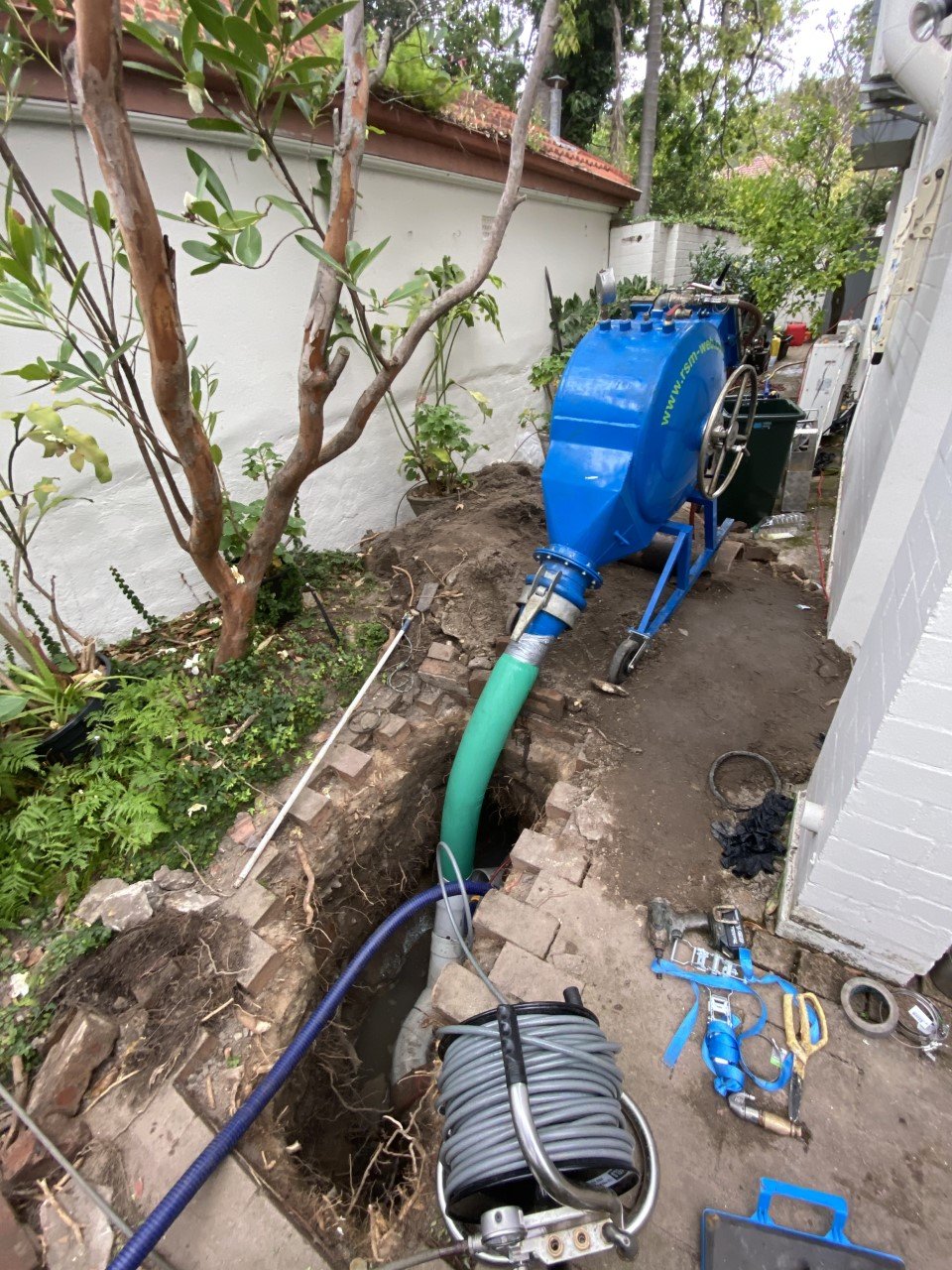
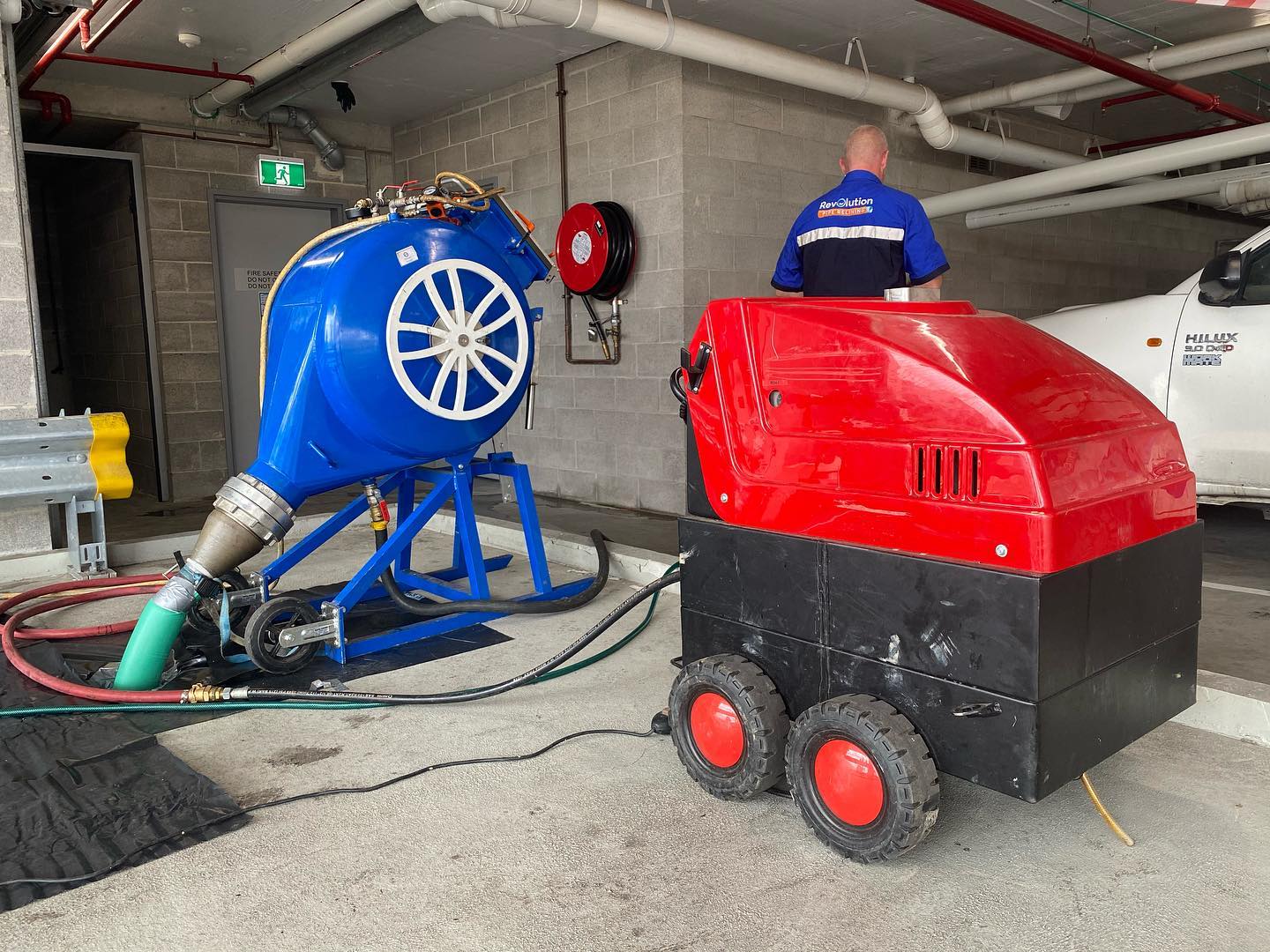
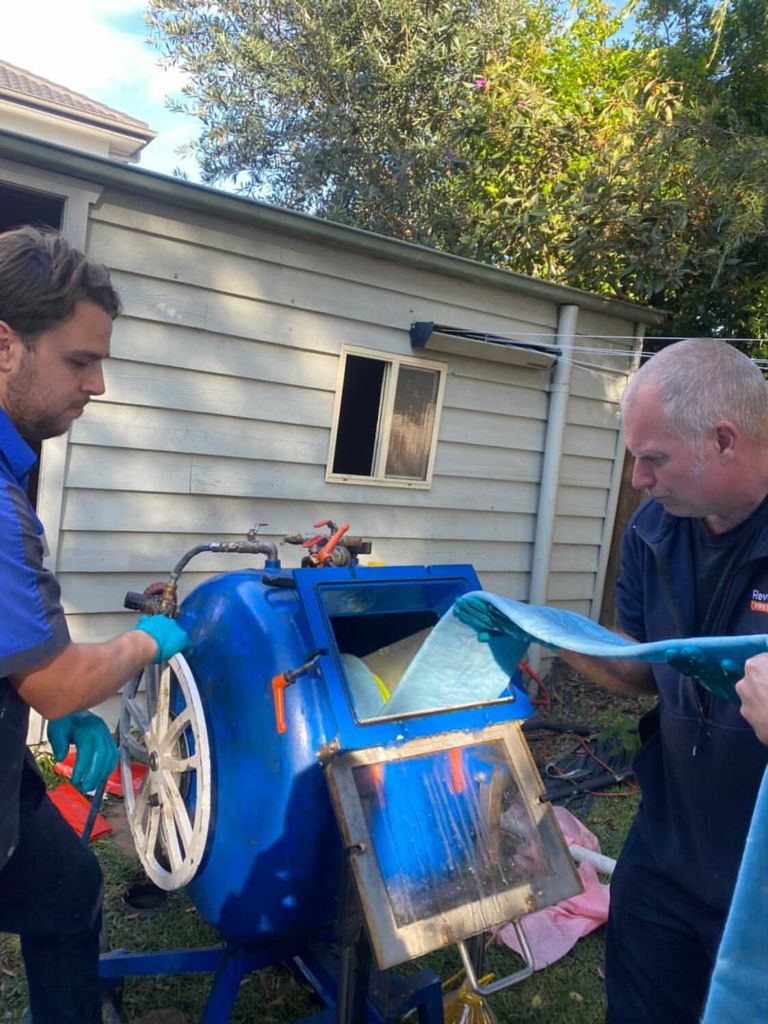
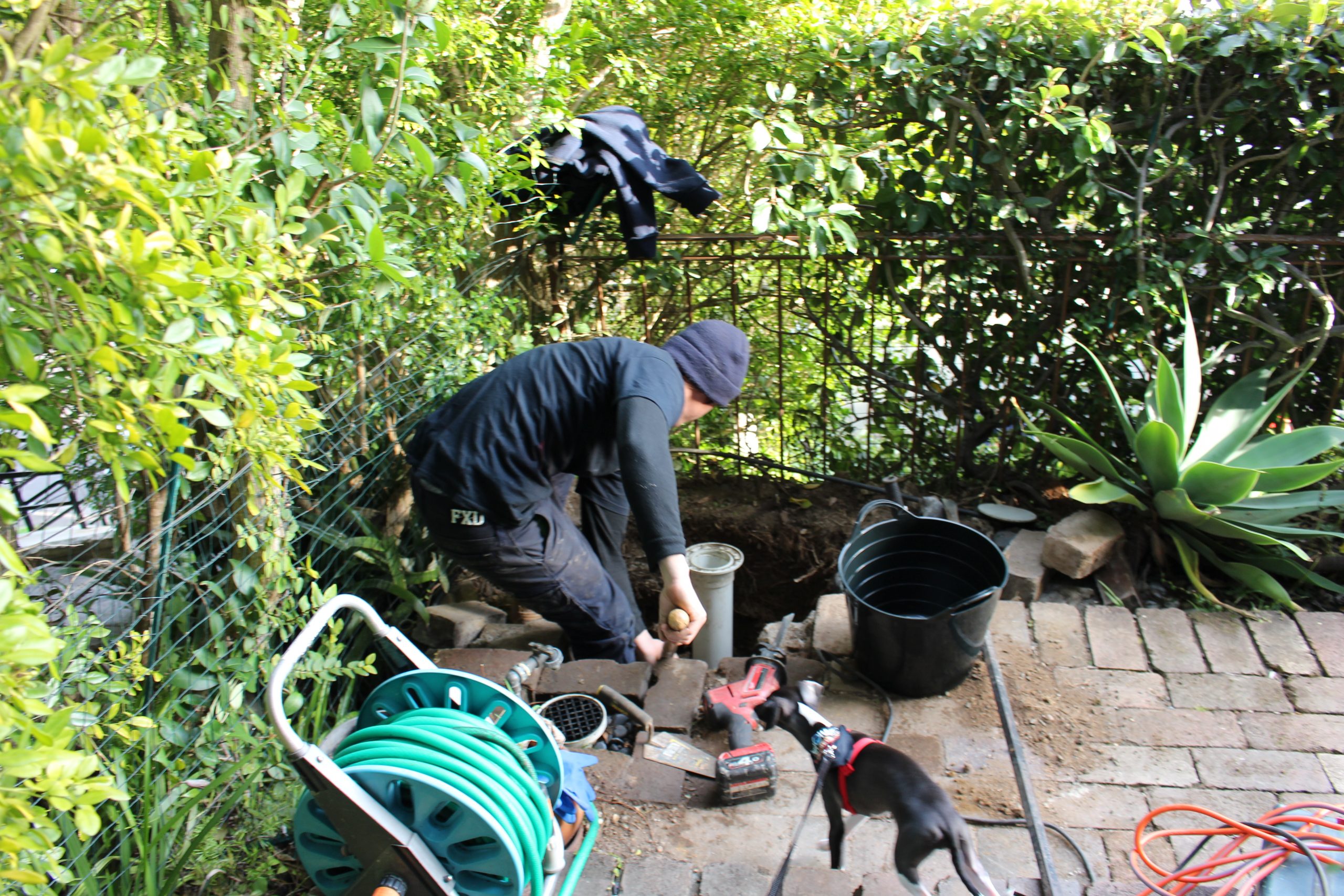
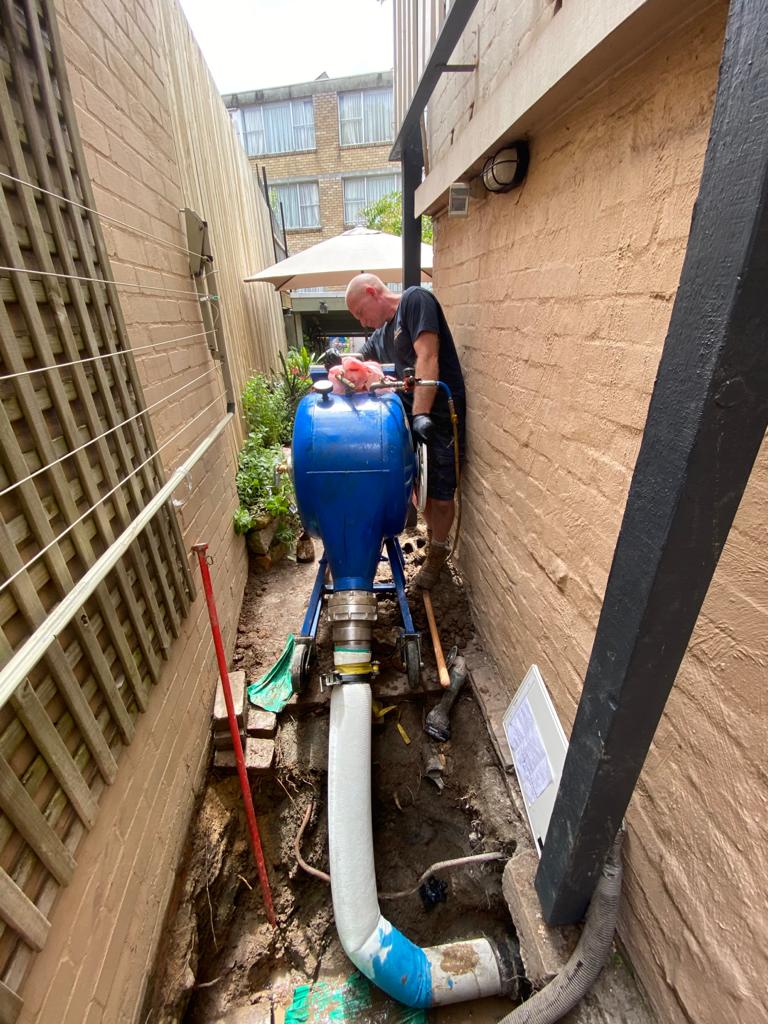
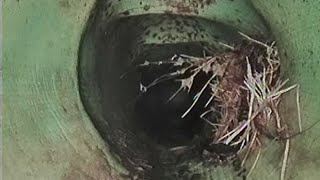
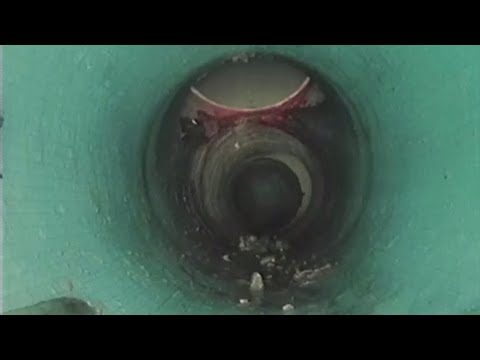
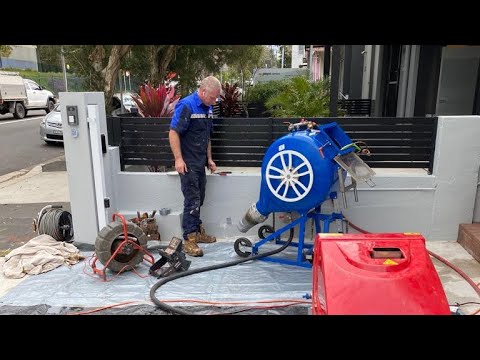
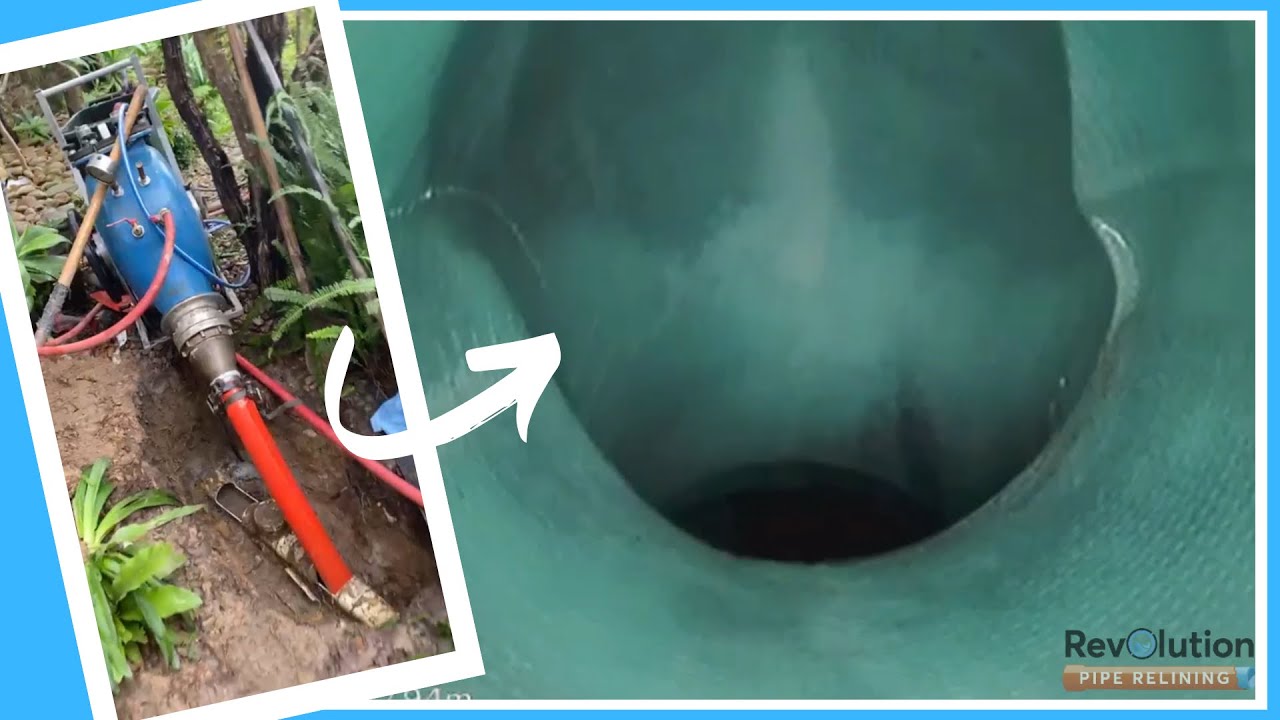
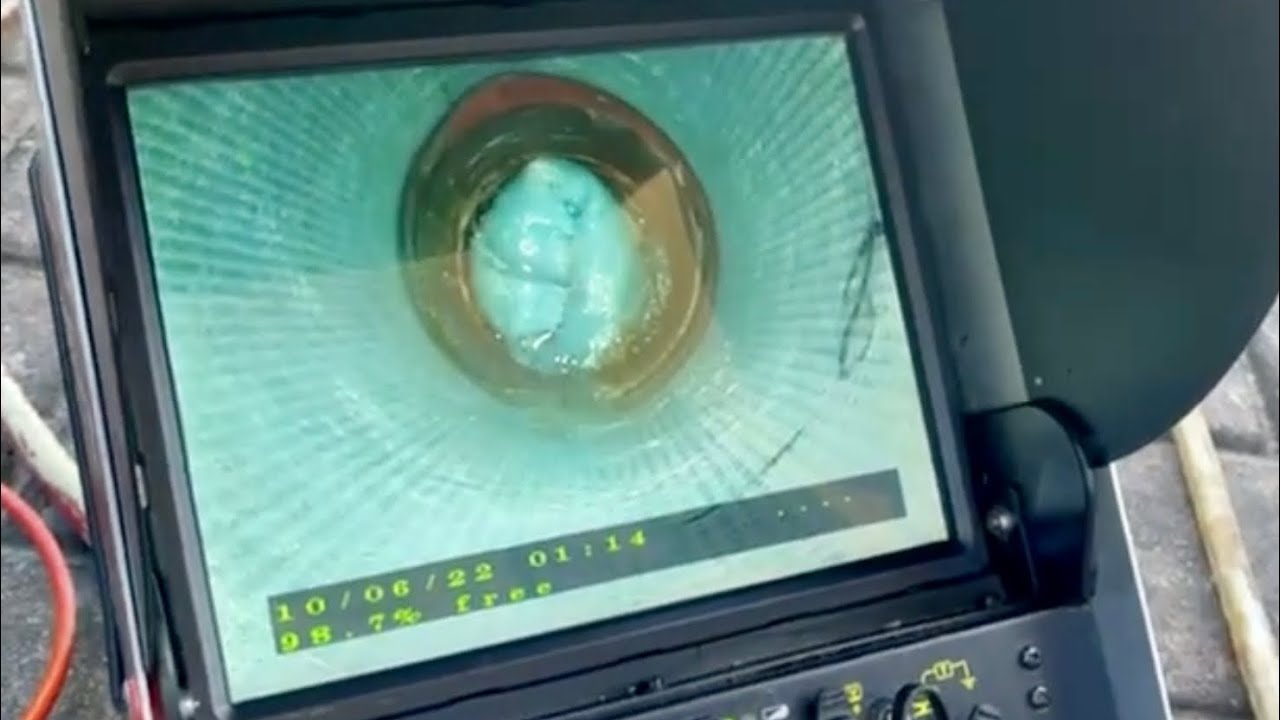
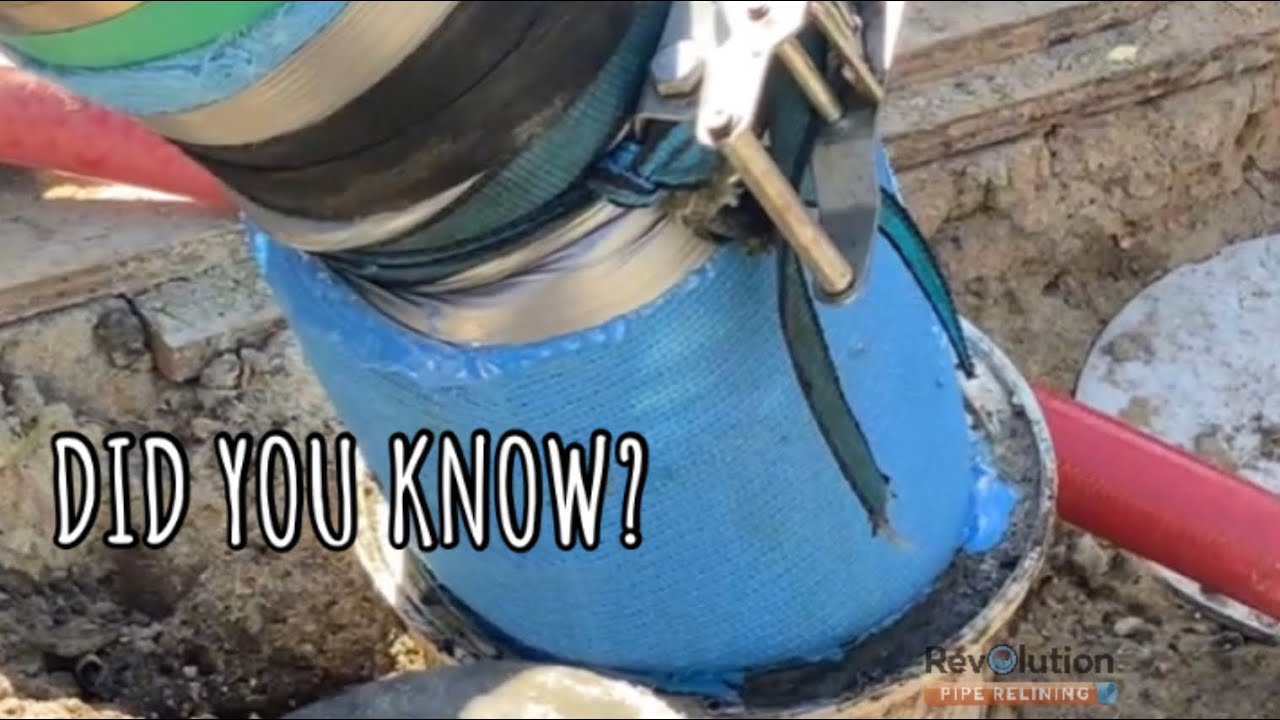
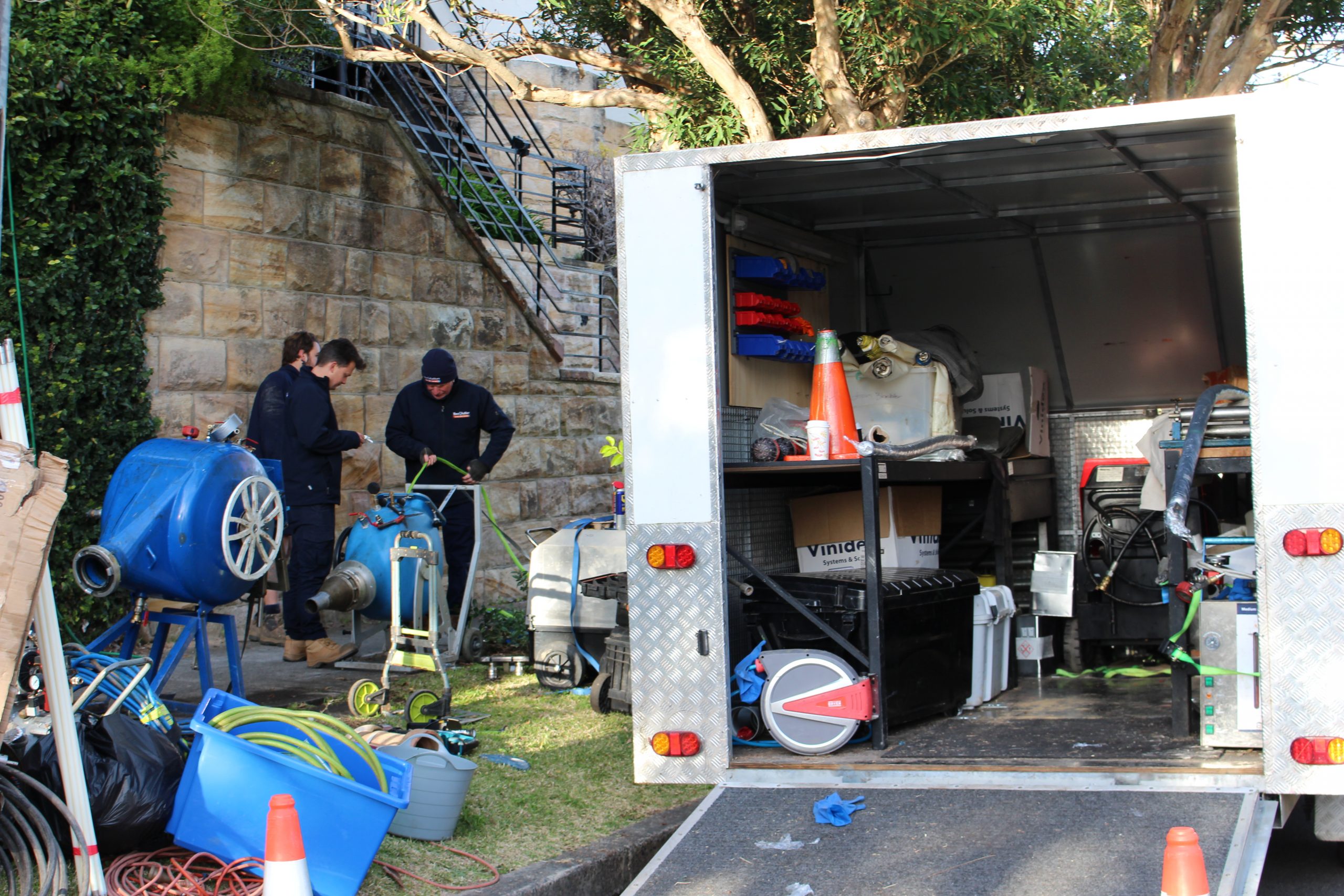
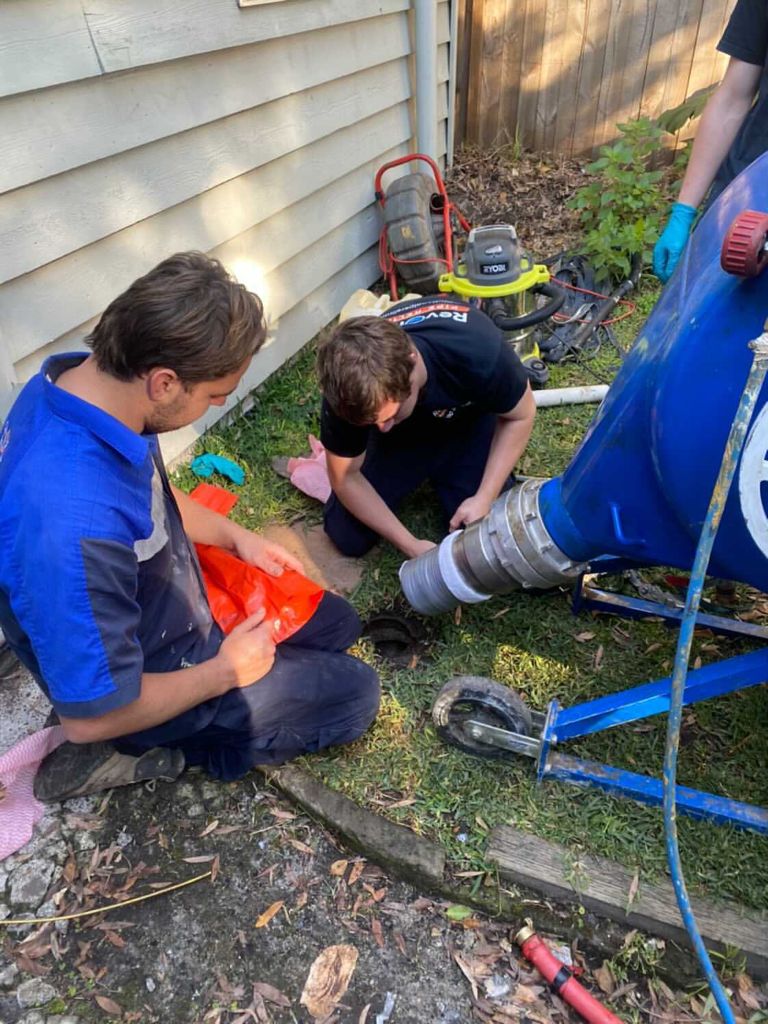
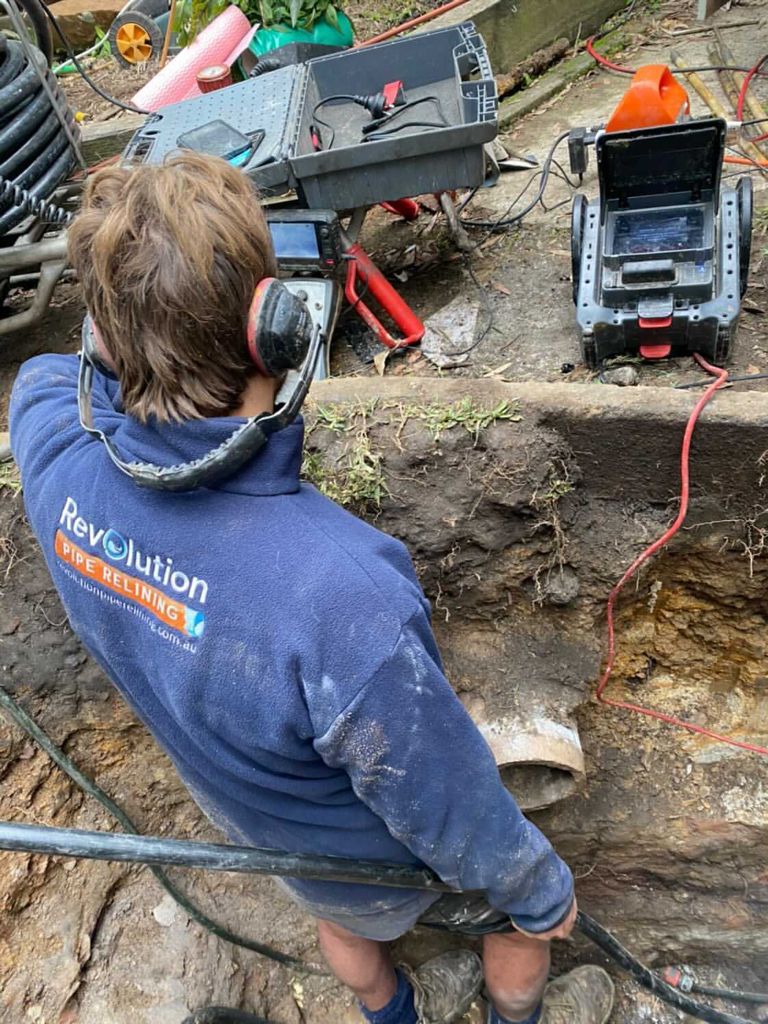
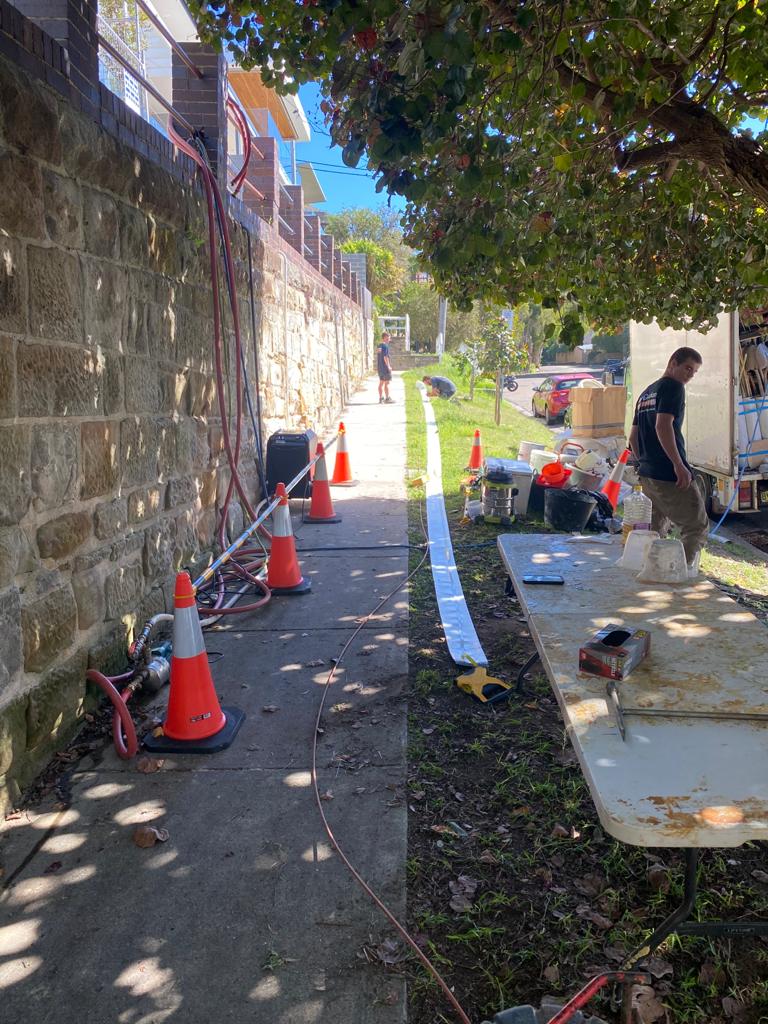
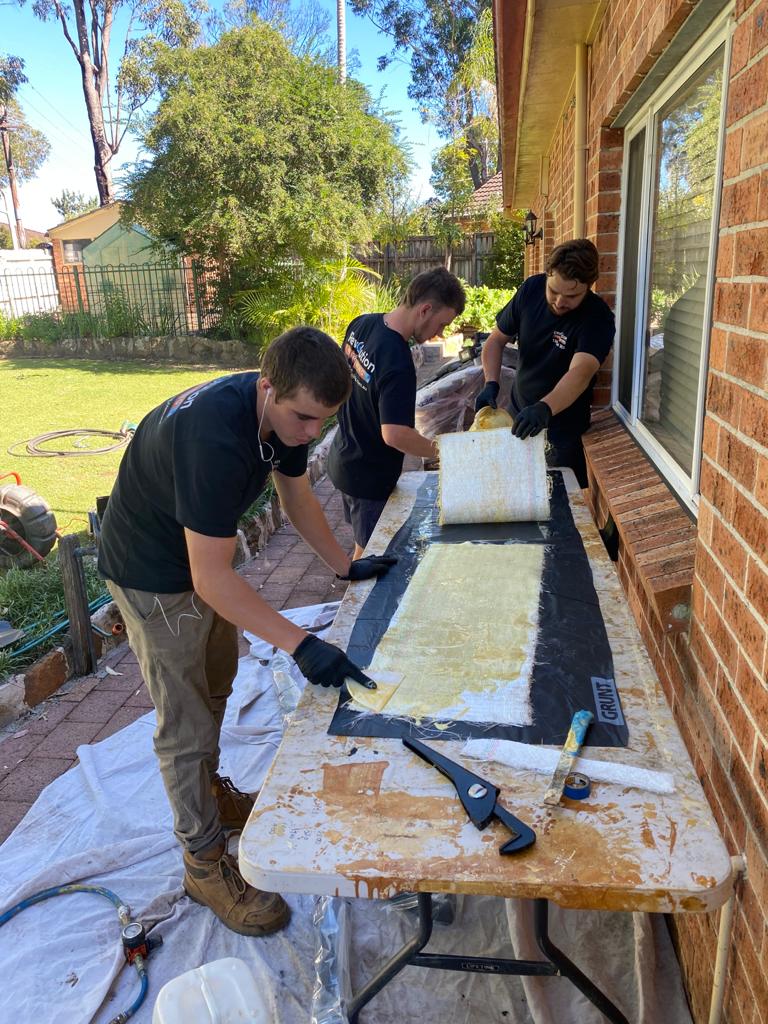
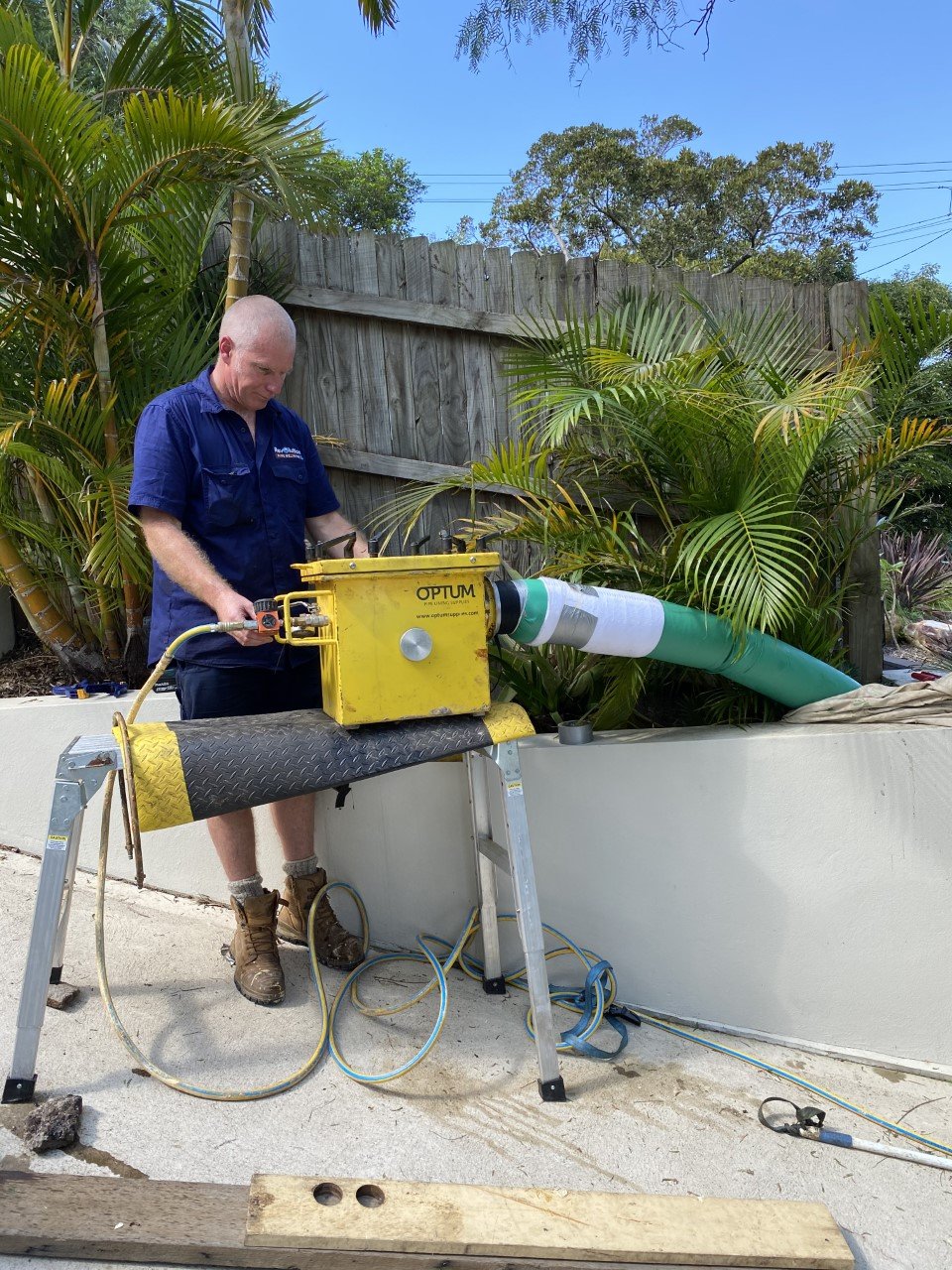
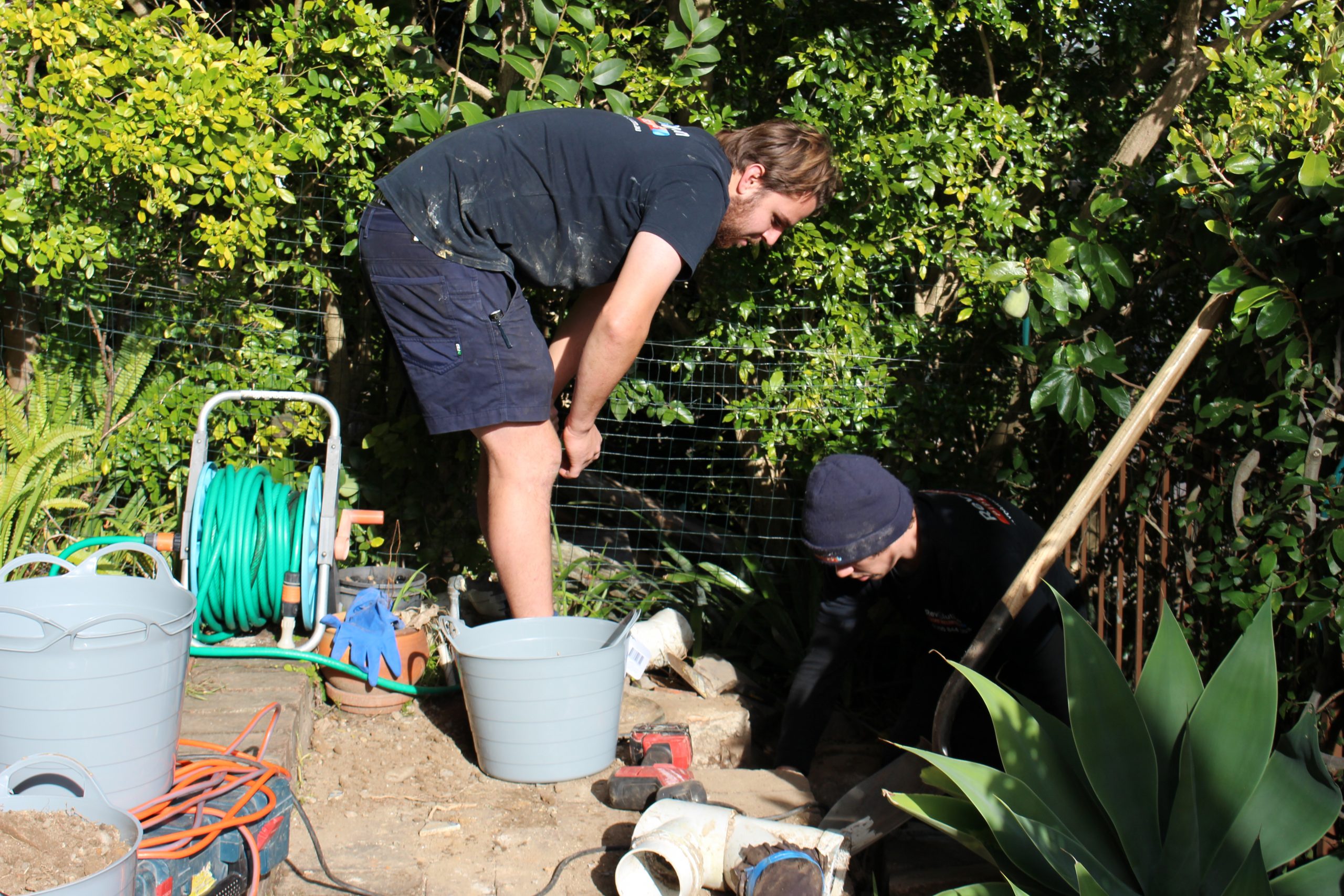
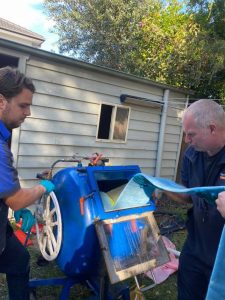
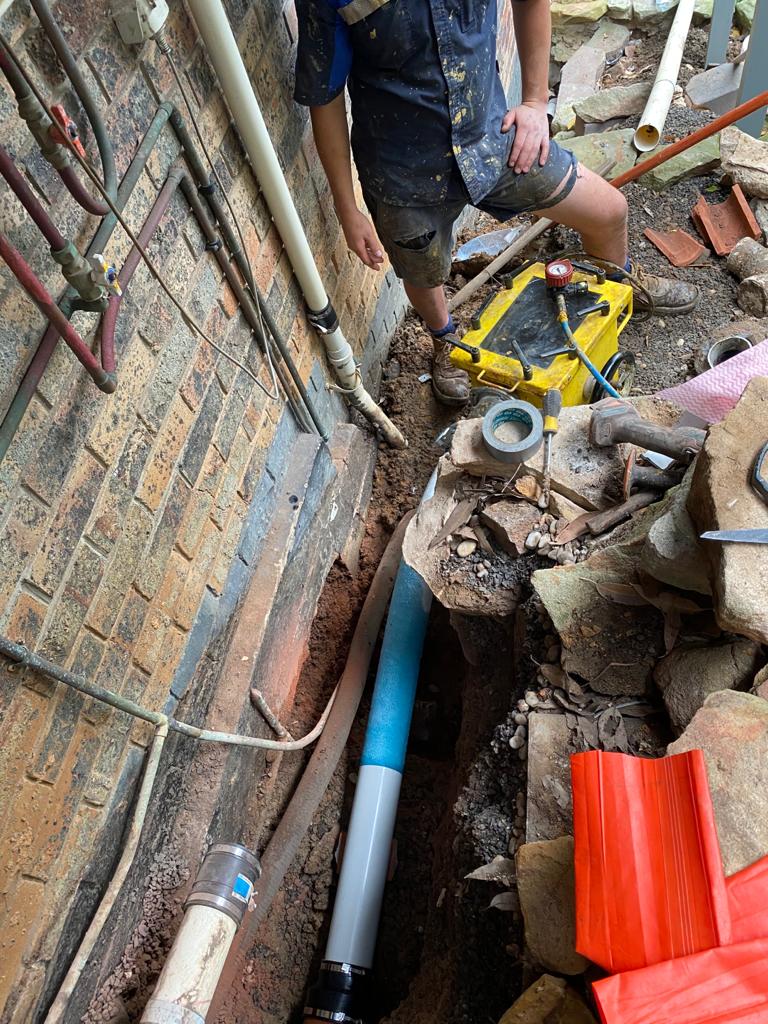
  • Don’t go for invasive pipe repair, but relining solutions. When your drain pipe or sewer line fails because of breaks and holes, you don’t necessarily need to go for pipe replacement right away. Relining Solutions can be carried out on pipes with similar damages. Relining solutions Sydney is a method to bring back the condition of your pipe like brand new without physically taking out the pipe from underneath the ground or behind walls. Pipeline relining contractors like Revolution Pipe Relining only need to access the damaged pipe through a single entry point, which makes pipe relining cost cheaper than the traditional repair. Where only sections of the pipe needed repair, sewer relining Sydney professionals can perform sectional pipe patch leaving the other good working sections intact.
  •  

If you don’t want to run into a clog problem again, do all things possible to avoid it from occurring in the first place. As you can imagine now, there is more to fixing a clog than just pumping up and down. Fixing a clogged drain is not just about clearing the clogs, but also making sure they don’t cause problems in the future again. So, don’t take chances in trying to do it yourself, call Revolution Pipe Relining instead.

YOU MAY ALSO LIKE:

The Ultimate Guide on How to Find Pipe Leak Underground Without Digging Blindly
blog Pipe Relining

The Ultimate Guide on How to Find Pipe Leak Underground Without Digging Blindly

So, you suspect there’s a pipe leak somewhere underground, but you have no clue where to start digging — literally....
Read More
How to Fix a Leaking Copper Pipe in 5 Simple Steps
blog Pipe Relining

How to Fix a Leaking Copper Pipe in 5 Simple Steps

Living in Sydney means dealing with everything from sunny days to sudden downpours — and the last thing you want...
Read More
How to Find Sewer Line Locations Without the Guesswork
blog Pipe Relining

How to Find Sewer Line Locations Without the Guesswork

If you’re a homeowner or even a landlord, knowing how to find the sewer line in your house is essential....
Read More
What Are the Symptoms of Sewer Gas Poisoning?  Causes, Effects, and Prevention
blog Pipe Relining

What Are the Symptoms of Sewer Gas Poisoning? Causes, Effects, and Prevention

Sewer gas might not be something you think about every day — until it starts making its presence known with...
Read More
Why is Sewer Line Replacement So Expensive? The Shocking Truth Buried Under Your Feet
blog Pipe Relining

Why is Sewer Line Replacement So Expensive? The Shocking Truth Buried Under Your Feet

A few phrases strike fear into a homeowner’s heart quite like “you’ll need a sewer line replacement.” And it’s usually...
Read More
Freshen Up Your Space: Expert Tips on How to Remove Sewer Smell from Bathroom
blog Pipe Relining

Freshen Up Your Space: Expert Tips on How to Remove Sewer Smell from Bathroom

There’s nothing worse than walking into your bathroom and being greeted by an unpleasant, lingering odour. No matter how clean...
Read More
Blocked Again? How to Clear a Blocked Stormwater Drain Quickly and Safely
blog

Blocked Again? How to Clear a Blocked Stormwater Drain Quickly and Safely

Let’s be honest—no one enjoys dealing with drainage problems, especially when the rain starts pouring and water’s suddenly pooling where...
Read More
Why Do Pipes Make Noise When Water Is Turned Off? Causes, Fixes, and Prevention
blog

Why Do Pipes Make Noise When Water Is Turned Off? Causes, Fixes, and Prevention

Ever turned off a tap, only to hear a sudden clunking or banging from your pipes? If so, you’re not...
Read More
How to Clean Drain Pipes with Baking Soda: Your Secret Weapon for Fresh, Free-Flowing Drains
blog

How to Clean Drain Pipes with Baking Soda: Your Secret Weapon for Fresh, Free-Flowing Drains

When it comes to plumbing, an ounce of prevention is worth a fortune in repairs. Luckily, keeping your pipes happy...
Read More
How to Clear Blocked Drainage Pipe Without the Stress: Here’s What We Recommend
blog

How to Clear Blocked Drainage Pipe Without the Stress: Here’s What We Recommend

There’s never a good time to discover a drainage issue. Whether it’s a slow-draining sink, a gurgling toilet, or a...
Read More
What Drain Cleaner is Safe for PVC Pipes
blog

What Drain Cleaner is Safe for PVC Pipes

When it comes to home plumbing, it’s easy to overlook the importance of choosing the right drain cleaner. After all,...
Read More
How to Unclog Toilet Drain Pipe
blog

How to Unclog Toilet Drain Pipe

Dealing with a blocked toilet? It’s more than just a hassle – it can throw off your entire day and...
Read More
How To Unblock a Drain Pipe Outside
blog

How To Unblock a Drain Pipe Outside

We all know how frustrating it can be when your outdoor drains get clogged. Whether it’s a heavy rainstorm, leaves...
Read More
How to Clean Kitchen Sink Drain Pipe
blog

How to Clean Kitchen Sink Drain Pipe

Ugh! There's nothing worse than facing a sink full of dirty water that just won't budge, is there? If you're...
Read More
How to Unblock Shower Drain Pipe
blog

How to Unblock Shower Drain Pipe

Splish, splash – that's not supposed to happen during a shower! When water starts pooling around ankles instead of flowing...
Read More
How to Get Rid of Rats in Sewer Pipes
blog

How to Get Rid of Rats in Sewer Pipes

Oh no! Did you just hear that scratching sound coming from your drains? You might be facing one of property...
Read More
How to Fix a Leaking Sewer Pipe Under Your House
blog

How to Fix a Leaking Sewer Pipe Under Your House

Dealing with a leaking sewer pipe under your house? We know how stressful and disruptive it can be. But don’t...
Read More
Stop Holding Your Nose! The No-Nonsense Guide on How to Clean Stinky Drains
blog

Stop Holding Your Nose! The No-Nonsense Guide on How to Clean Stinky Drains

Stop doing this one thing if you want to avoid that awful smell wafting from your drain: ignoring the early...
Read More
How Much Does Pipe Relining Cost?
blog

How Much Does Pipe Relining Cost?

Raise your hand if you’ve ever dealt with damaged pipes? You're not alone. we've been getting loads of questions about...
Read More
Roots vs. Pipes: How to Fix Roots in Sewer Line Before Disaster Strikes
blog

Roots vs. Pipes: How to Fix Roots in Sewer Line Before Disaster Strikes

Let’s settle this once and for all: tree roots and sewer pipes are not a good mix. Here's a plumbing...
Read More
1 2 3 9

YOU MAY ALSO LIKE...

Who We've Helped